


👉 Available on Spotify, Apple Podcast, Deezer, and more.
Behind this collection lies a more personal story: a curiosity that, over nearly forty years of research, grew into a real conviction. And a paradox: how can practices that were once common look almost rebellious today?
Forty years exploring cognac's history
It all started in 1987. Alexandre Gabriel, owner and master blender of Maison Ferrand, dove into the history of cognac. He combed through old manuscripts, production records and cellar masters' accounts. He wanted to understand how earlier generations worked and to track down techniques, some of them abandoned for decades.
That search sometimes kept him up all night, poring over old documents, comparing accounts or hunting for traces of a lost method. Every forgotten technique holds a piece of Cognac's history, shaped by generations of winegrowers, distillers and coopers.
Some people in the trade even told him about practices they no longer dared to discuss openly. Their secrecy struck him, given how valuable this knowledge seemed.
"Some of them talked to me about these practices almost in secret, as if this knowledge had to stay hidden," he recalls.
That troubled him: why stay silent about skills that helped build cognac's identity in the first place?
"We too often forget that today's traditions were yesterday's innovations." - Alexandre Gabriel
For nearly four and a half centuries, winegrowers, distillers and coopers kept changing the way cognac was made. Some methods faded over time. Others are no longer allowed under the appellation's current rules.
As those rules took shape, especially in the second half of the 20th century, they protected the identity of Cognac and set standards for how it's produced; but they also wiped out some historical practices. For Alexandre Gabriel, rediscovering them isn't about challenging today's Cognac. It's about remembering the wealth of craftsmanship that shaped it.
With Le Renegade Barrel, Alexandre Gabriel chose to bring them back, not only through his research but also by recreating some of these aging methods. The collection's name is a nod to that paradox: today, reviving centuries-old traditions can look like an act of rebellion.
Four editions to travel back in time
The first edition looks at old wine casks, once reused to age cognac. By digging up documents from 1923, Alexandre Gabriel and our team were able to show that this practice, often thought to be banned, was still allowed under certain conditions. For Le Renegade No. 1, we chose Sauternes casks, which bring out the naturally honeyed notes of our eaux-de-vie.
The idea was simple at first: barrels were valuable and traveled between wine regions, especially between Bordeaux and Cognac. Nobody threw them away after a single use. Over time, what started as reuse became a true aging technique, a good example of how necessity has sometimes fueled innovation.
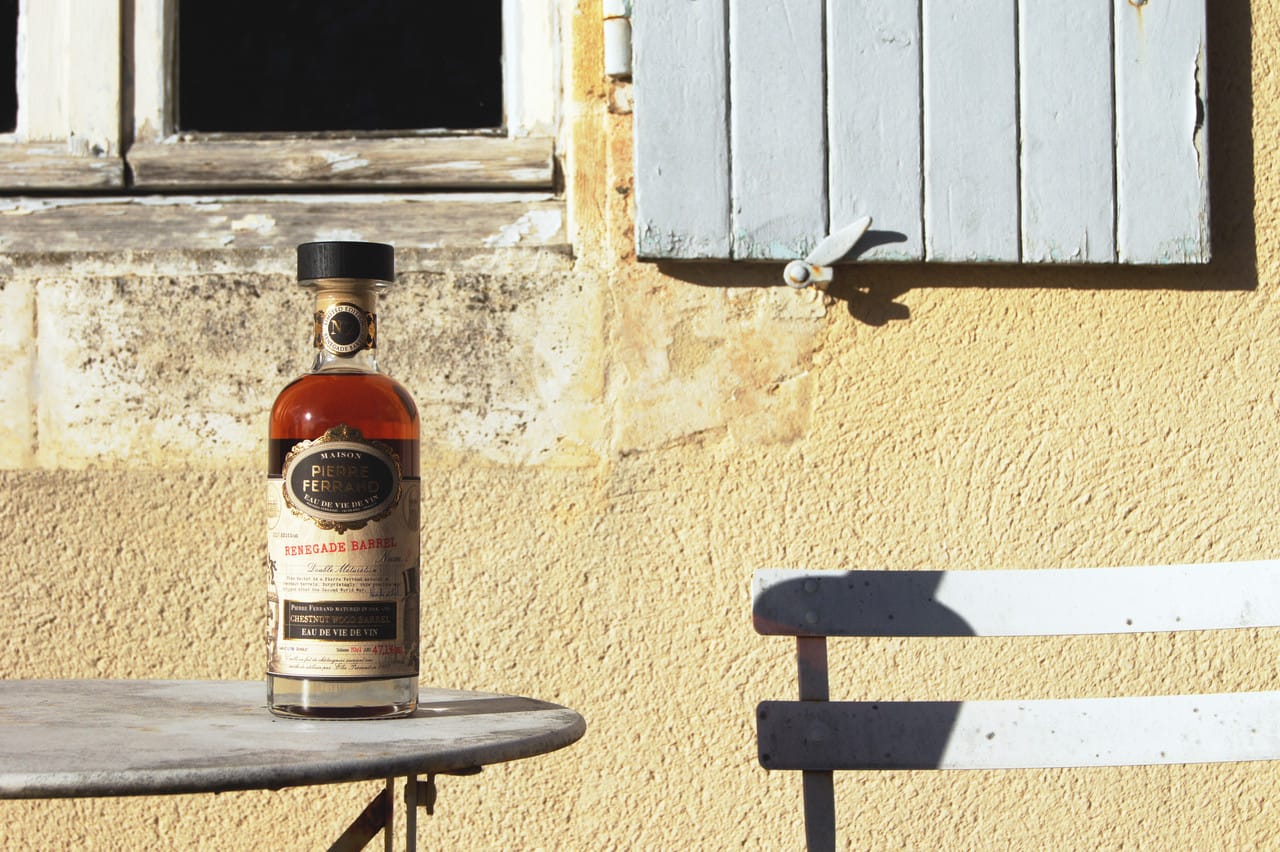
With Le Renegade No. 2, the spotlight is on the coopers. Before oak became the only wood allowed under the appellation, craftsmen also used chestnut, wild cherry and acacia. Some master coopers still know how to work these woods. Aged in a chestnut cask, this second edition is also a way to preserve what they know.
There's more at stake than picking a wood. These craftsmen are sometimes the last keepers of techniques handed down over several generations. If they never get the chance to use them, those skills could disappear with them. That makes Le Renegade not only an aging experiment, but a way to keep a craft alive.
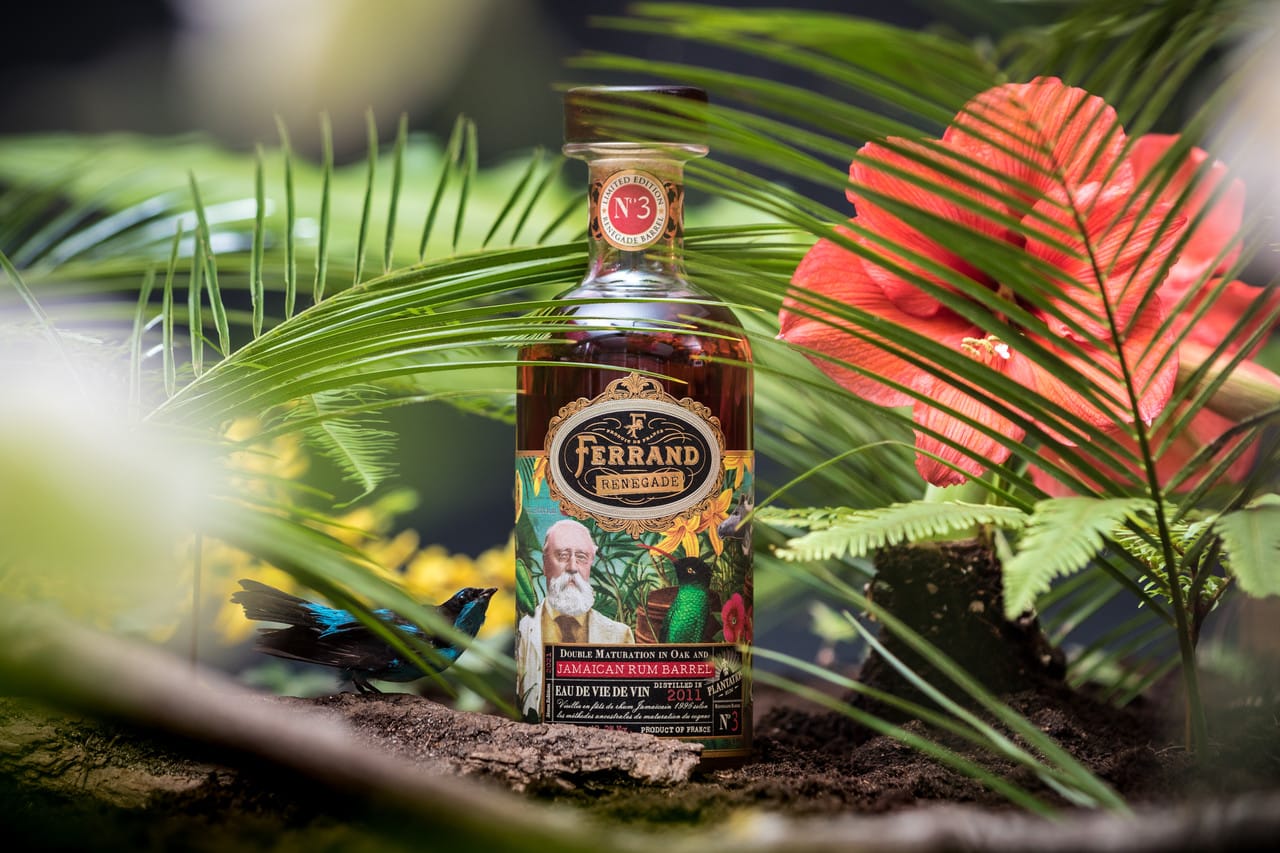
No. 3 takes us back to a time when rum casks arriving at the port of Bordeaux could be reused for cognac. We revived the practice with an ex-Long Pond Jamaican rum cask. The cask's influence highlights the tropical notes found in some Ferrand eaux-de-vie.
Alexandre Gabriel rediscovered this practice largely thanks to Jacques Neveu, a former cellar master. Neveu remembered going to Bordeaux with his father to buy rum casks for aging cognac. Back then, the technique was valued for bringing out the delicate tropical notes of the eaux-de-vie without changing their identity. It's a precious memory, proof of the knowledge passed down between generations, and one that could easily have been lost.
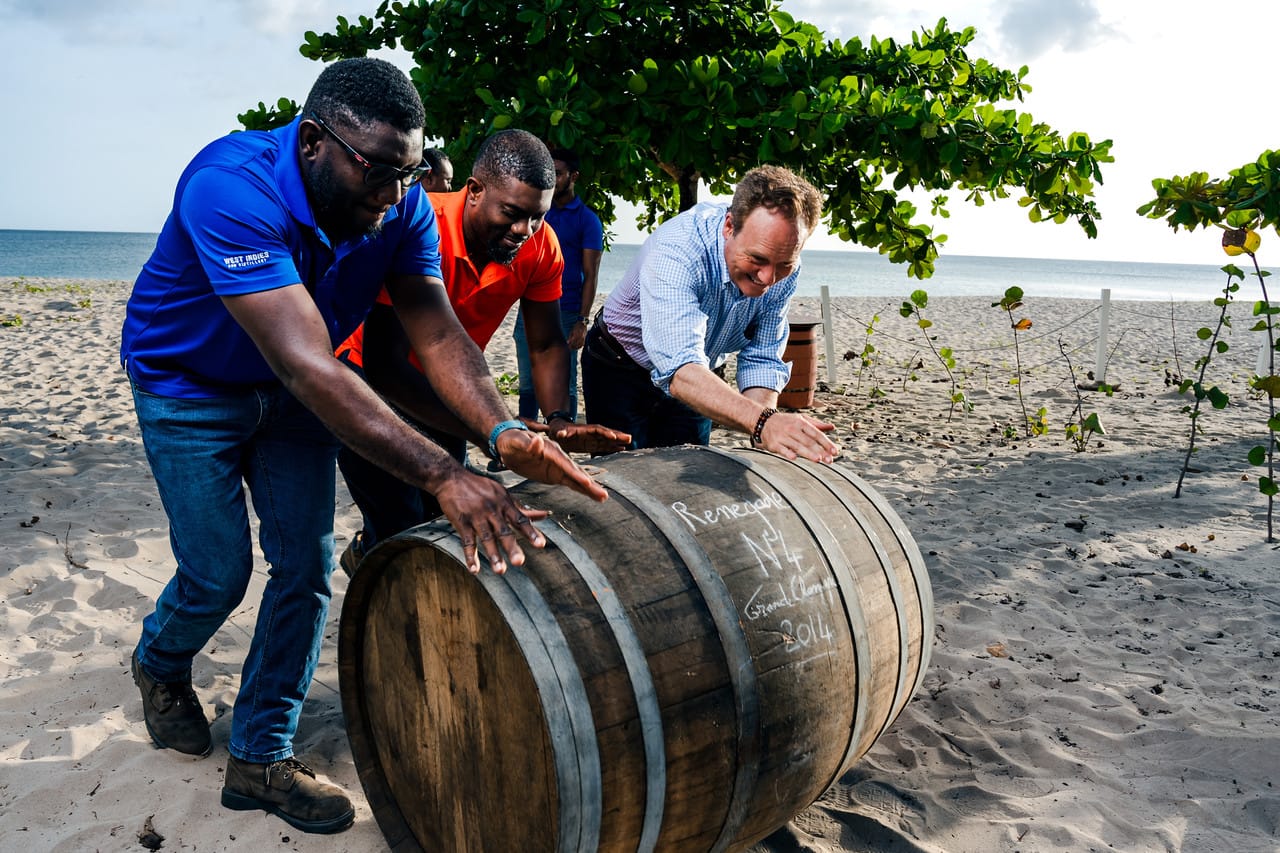
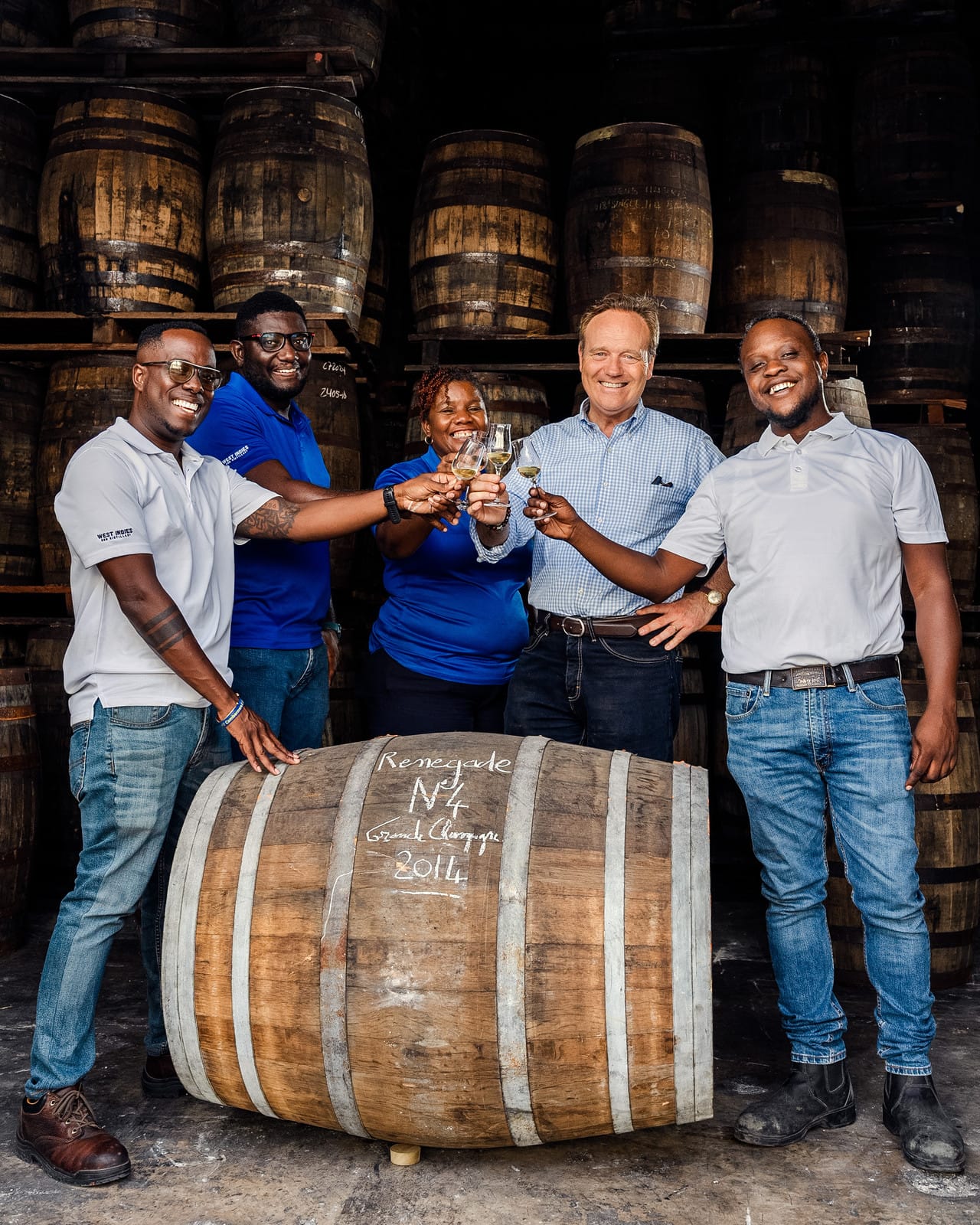
For No. 4, we headed to Barbados. This edition draws on the Early Landed tradition, which involved shipping young cognacs to Great Britain to age there. We moved the experiment to a tropical climate at our Stade's West Indies Rum Distillery to see how that environment shapes the way our eaux-de-vie age.
Le Renegade No. 5: next stop, Fiji
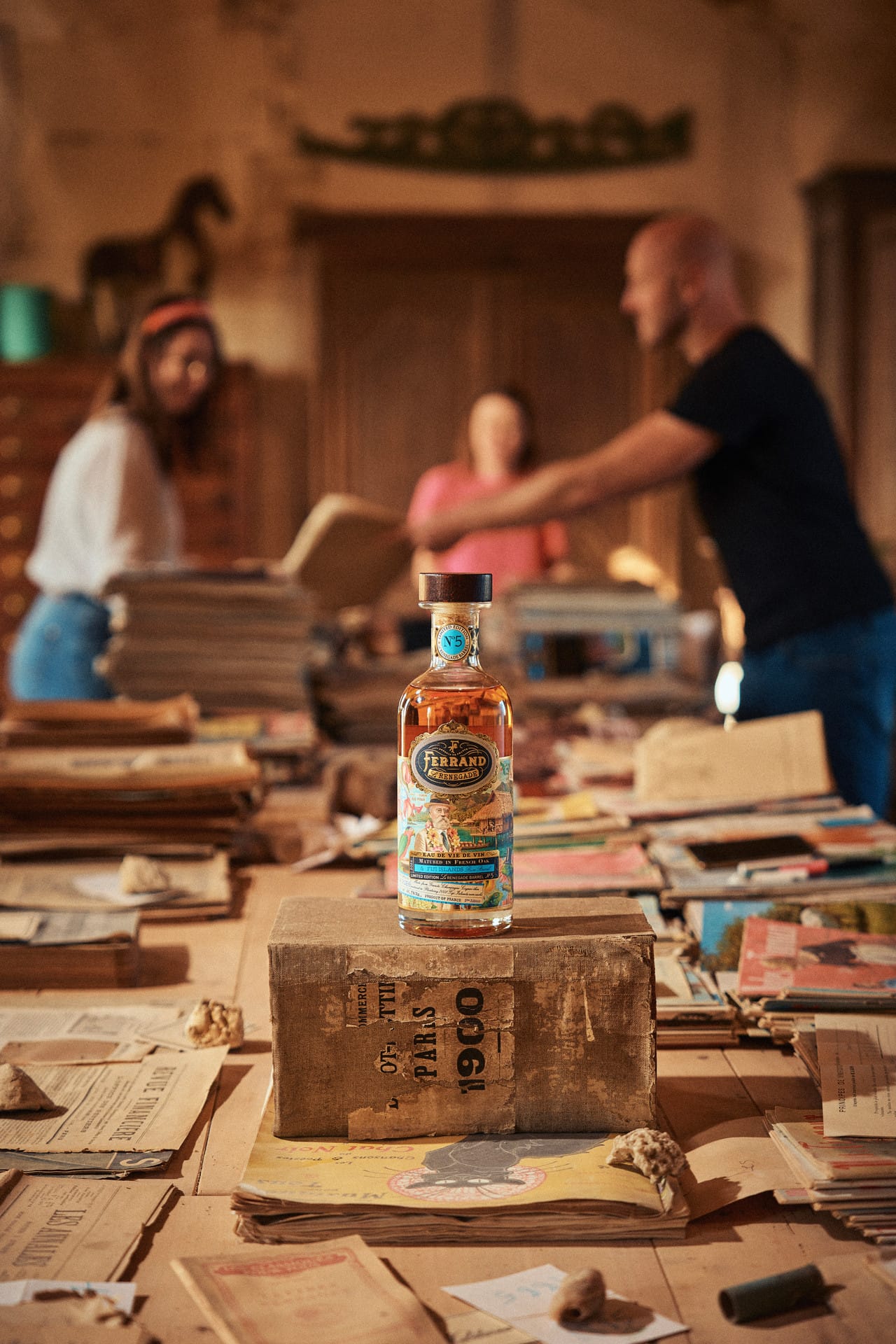
In 2026, we're continuing to explore old rum casks. After Jamaica, Alexandre Gabriel has turned his attention to Fiji.
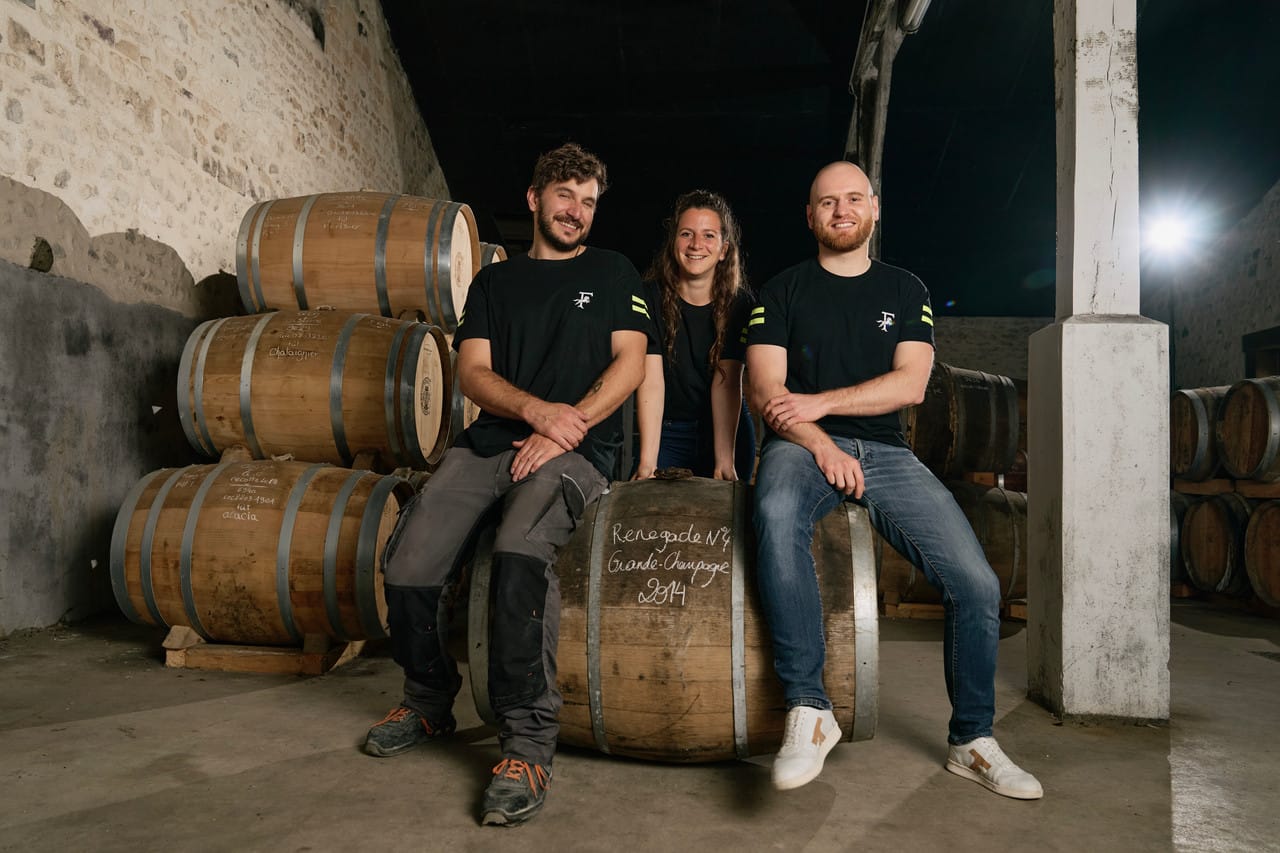
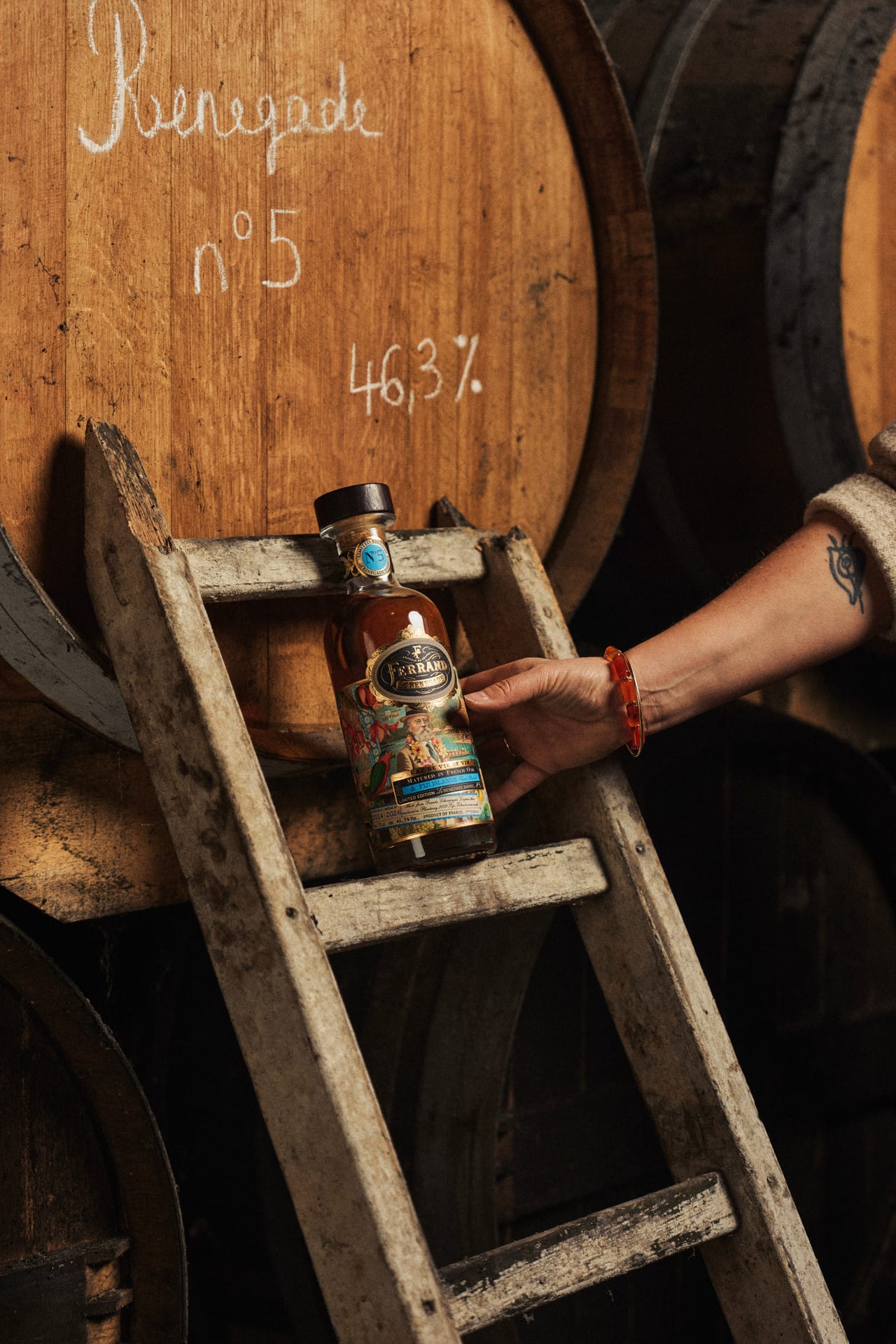
For this fifth edition, our team selected a Grande Champagne eau-de-vie distilled in 2014. After aging first in French oak, it went on to mature in a cask that once held Planteray Fiji Islands 2008, a pot still rum.
We chose this cask for a specific reason: we wanted the wood to bring out certain traits of the eau-de-vie without masking its identity. This double maturation gives the expression a maturity comparable to an XO's.
But this historical method is no longer permitted under current Cognac appellation rules. So Le Renegade No. 5 is sold as a wine brandy (eau-de-vie de vin).
For Alexandre Gabriel, this distinction raises a question that has run through his research for years. How do you protect the appellation's framework while letting some historical practices reclaim their place? He wants to address it through dialogue, with respect for the trade.
Keeping craftsmanship alive
Alexandre Gabriel's research goes beyond the archives. It has also led him to craftsmen who still hold knowledge handed down from generation to generation, including master coopers who can work woods rarely used today.
At Maison Ferrand, we care deeply about working with different woods and aging techniques. We share that drive with other distillers who bring the same curiosity and the same desire to keep these skills alive. They include our friends at Teeling in Ireland and Alex Chasko, a master distiller and blender with whom Alexandre Gabriel has done several barrel swaps.
These collaborations are a chance to compare notes, explore new aging possibilities and share knowledge across borders. Finding a technique in a manuscript isn't enough to save it. You have to keep experimenting with it, developing it and passing it on.
Maybe that's the real meaning behind Le Renegade Barrel. Each edition recovers a lost technique, tells its story and gives it new life.
After nearly forty years of research, Alexandre Gabriel keeps finding practices that surprise him, and with them, new ways to explore Cognac.


Member discussion