


👉 Available on Spotify, Apple Podcast, Deezer, and more.
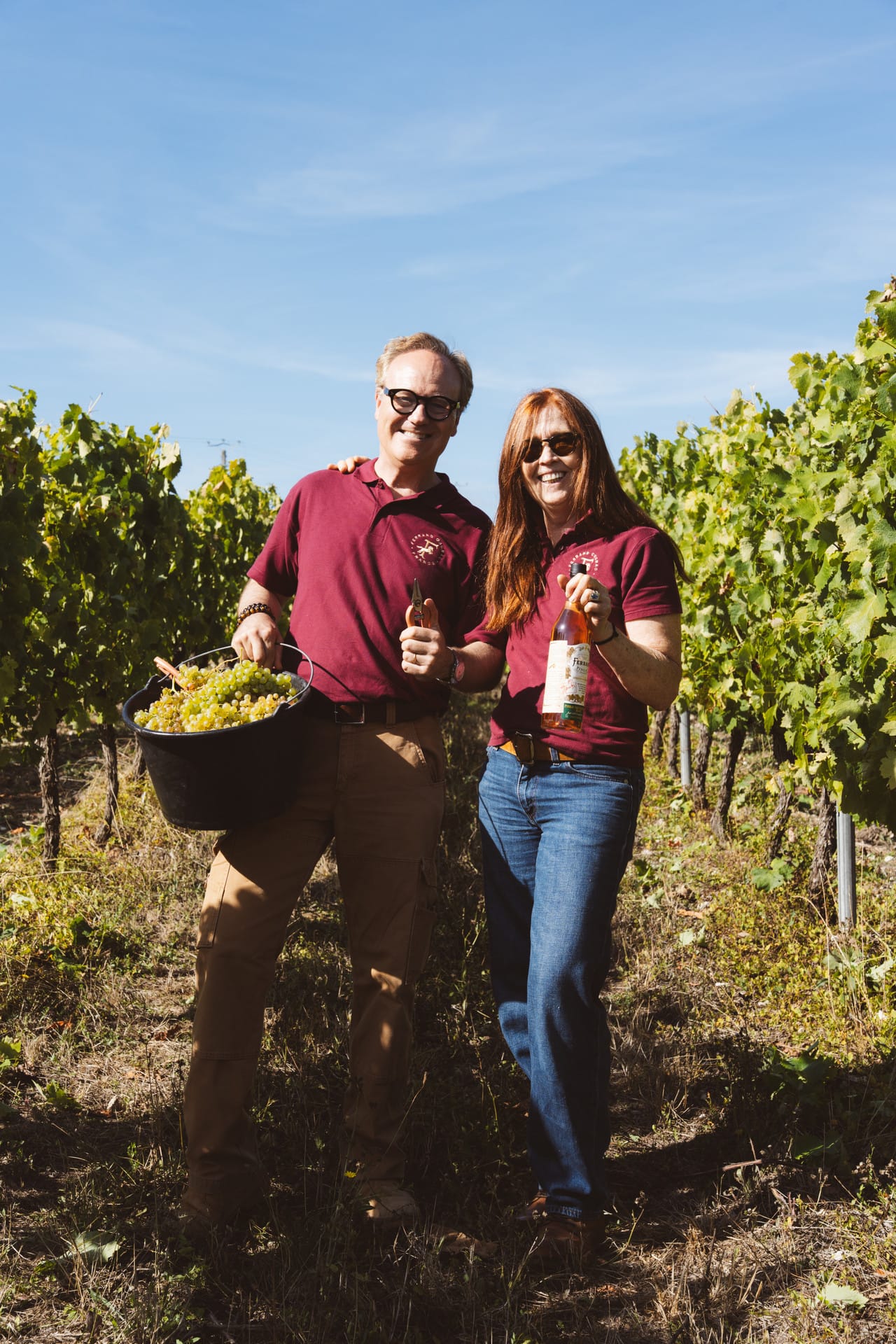
On August 28, 2026, we started the harvest at Maison Ferrand. Nearly a month earlier than usual. For Corentin, that date says a lot about the changes affecting our vineyards.
"This is by far the year with the highest heat accumulation I've ever seen in the vineyard." - Corentin Negre
Several heat waves, weeks without rain, grapes ripening at top speed… This year, we had to rethink the calendar and make decisions fast. But 2026 isn't a one-off. For several years now, our vineyard manager has watched the seasons shift, and his job along with them.
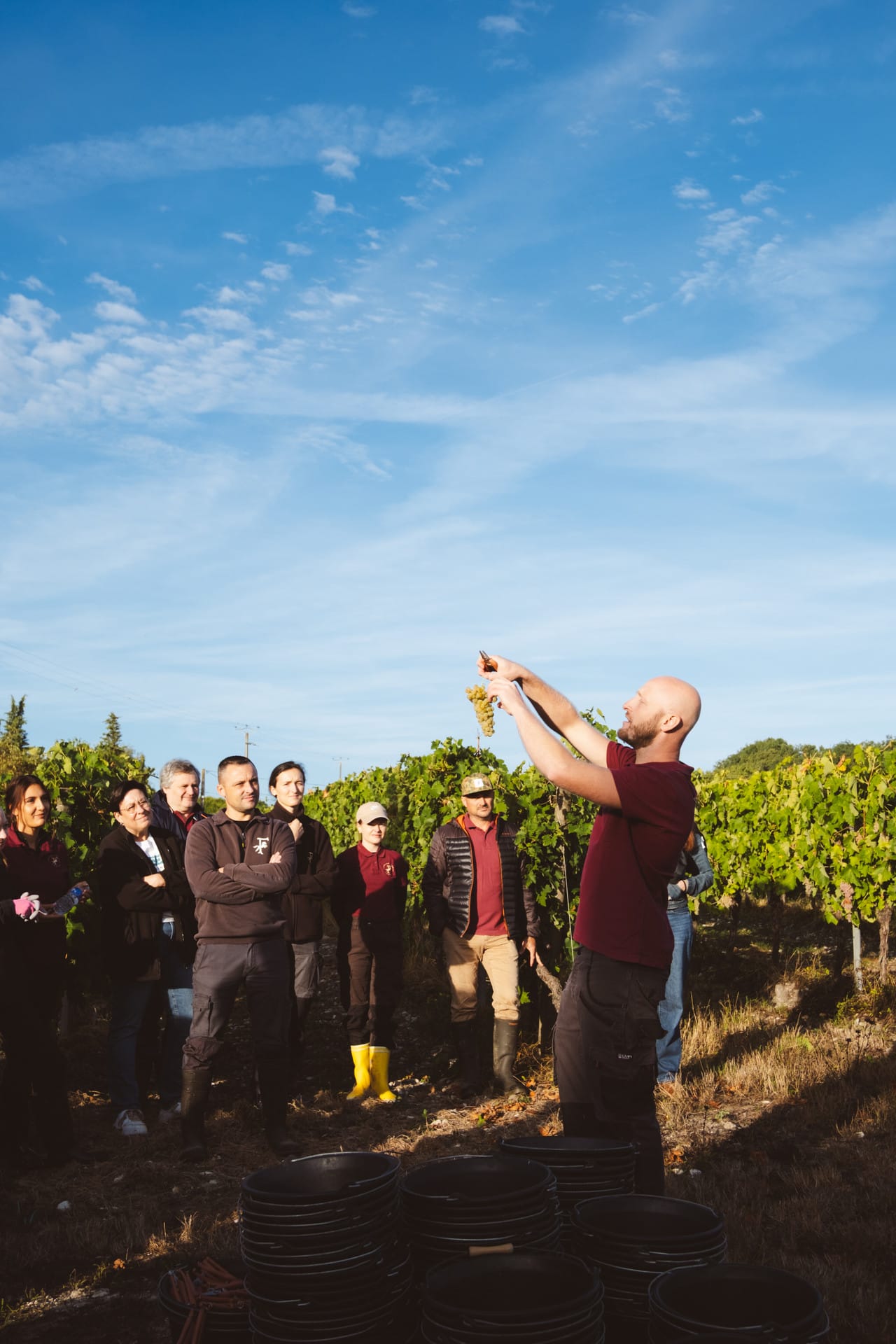
Buds in more of a hurry every year
It all starts at the end of winter. Milder temperatures in February and March wake the vines up earlier. This stage is known as budburst: the buds open, and the first leaves appear.
Talking with older growers, Corentin sees just how much things have changed over the past twenty years. The problem is that vines that wake up earlier also stay exposed to spring frosts for longer.
And frost isn't the only worry. Hail, storms, long heat waves: extreme weather makes the vineyard harder to manage. Subtler changes are showing up too, in the vegetation and in the number of cagouilles, the snails everyone in Charente knows well.
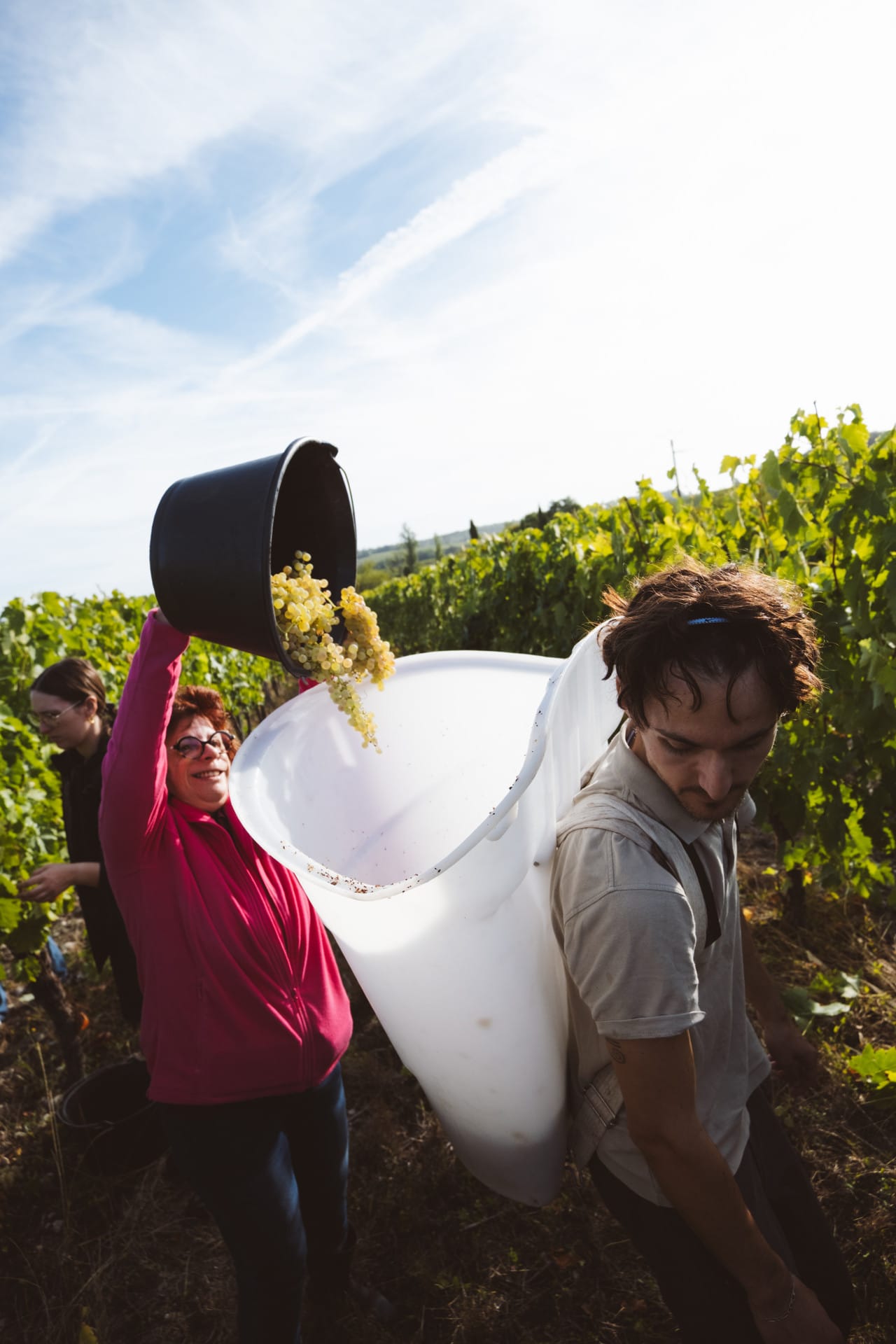
Keep the leaves, save the moisture
When the thermometer climbs, habits change.
In the vines, Corentin and his teams now do less trimming, which means cutting off the tips of the shoots. The idea is simple: keep more leaves to shade the grape clusters and protect them from the sun. They also work the soil less to hold in as much moisture as possible.
Our teams test different practices, watch the results, and adjust their approach plot by plot. Some trials work; others less so. That's also how the job evolves.
The heat also sets a new pace of work. In summer, our teams can start as early as 5 or 6 a.m. During harvest, some jobs even begin at 3 a.m., before temperatures climb too high. That protects our people, and the tractors too, which also suffer in the heat.
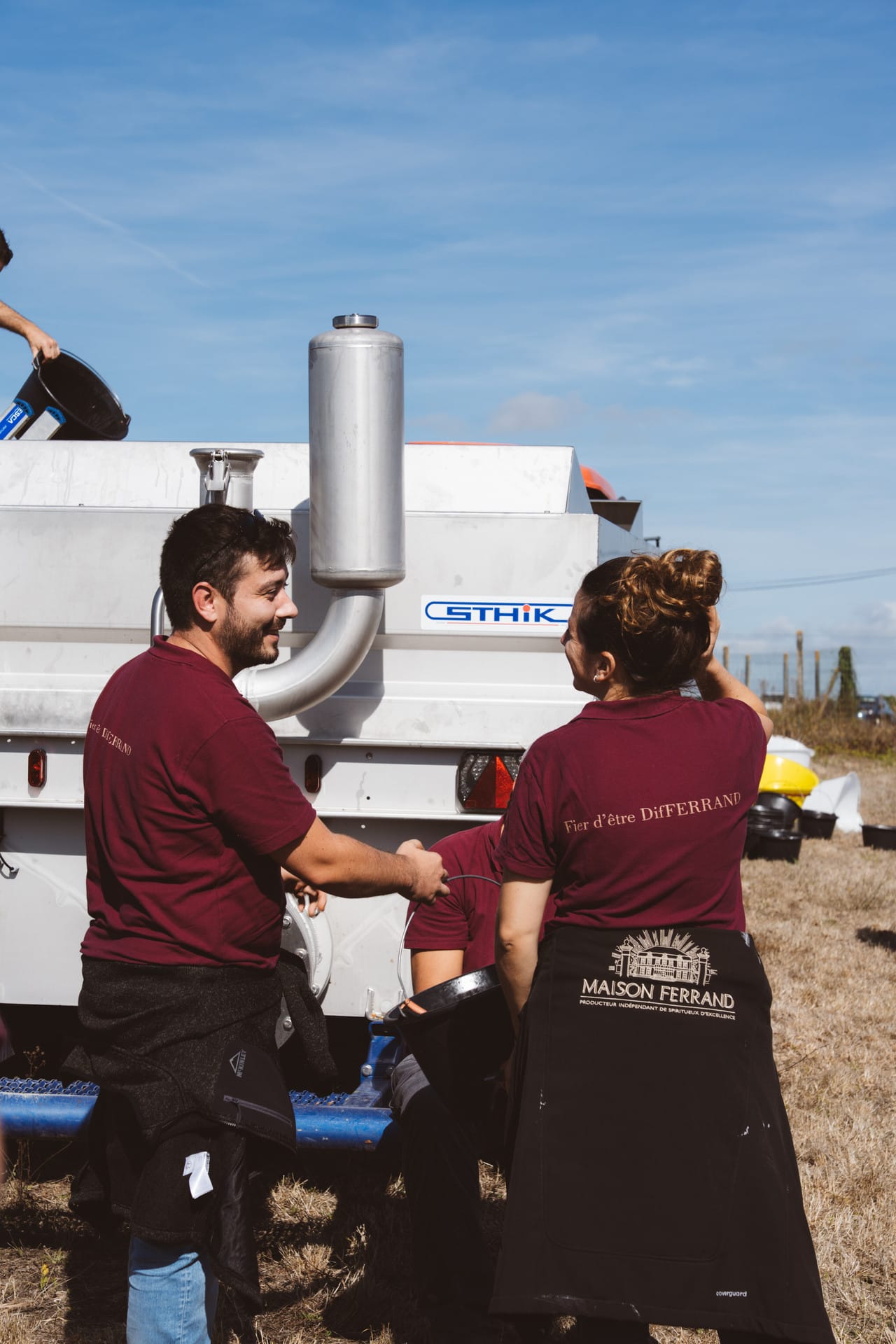
Ripe grapes… but not always ready
In 2026, the heat sped up sugar concentration in the grapes. Lab tests sometimes showed enough ripeness to make the wines we distill; yet when our teams tasted the berries, they found they weren't fully ripe yet.
So, we had to find the right balance, without relying on numbers alone.
The heat waves have another effect: some grapes get sunburned and lose juice. The pulp then makes up a larger share of each grape, so it needs gentler pressing.
And this year, time was short. The harvest, which started on August 28, wrapped up around September 20. Since 2025, we've harvested all our plots with our own teams and equipment; that independence lets us choose exactly when to step in, a real advantage when the harvest window shifts and narrows.
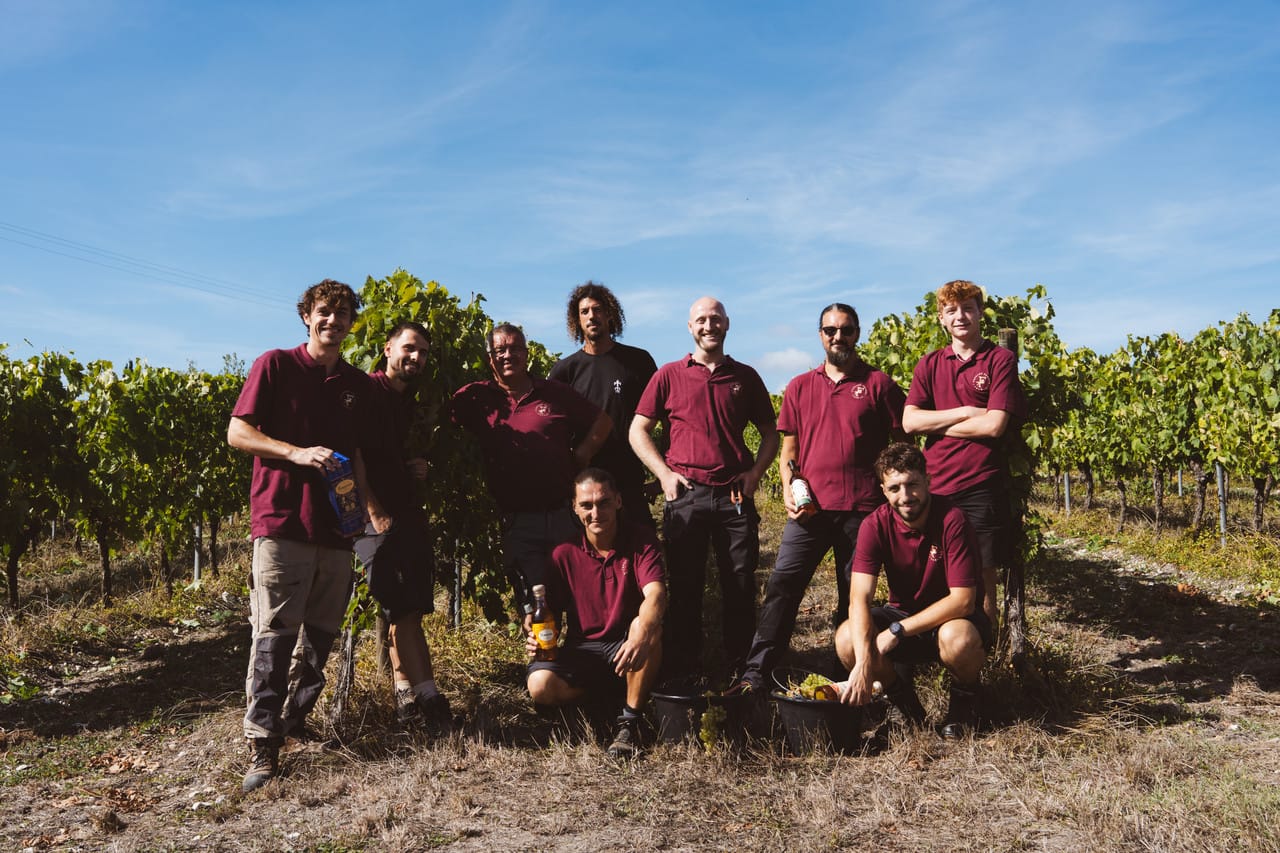
Adapting, one season at a time
In the vineyard, climate change is no longer a distant issue. You can see it in buds that appear too early, in the grape clusters exposed to the sun and even in our teams' working hours.
For Corentin, every season brings its share of observations, trials and decisions. Practices evolve, but the goal stays the same: harvest quality grapes to make our cognacs here at Maison Ferrand.
The vines are changing their rhythm. It's up to those who grow them to learn to keep pace.


Member discussion