


👉 Available on Spotify, Apple Podcast, Deezer, and more.
The birth of an iconic cocktail in Cuba
According to cocktail historian Jeff "Beachbum" Berry, the Daiquiri was most likely born in Cuba in the late 19th century, in the mining village of Daiquiri, near Santiago. At the time, the local facilities belonged to the Spanish-American Iron Ore Company, which continued operating despite tensions among Spain, the Cuban rebels and, before long, the United States.
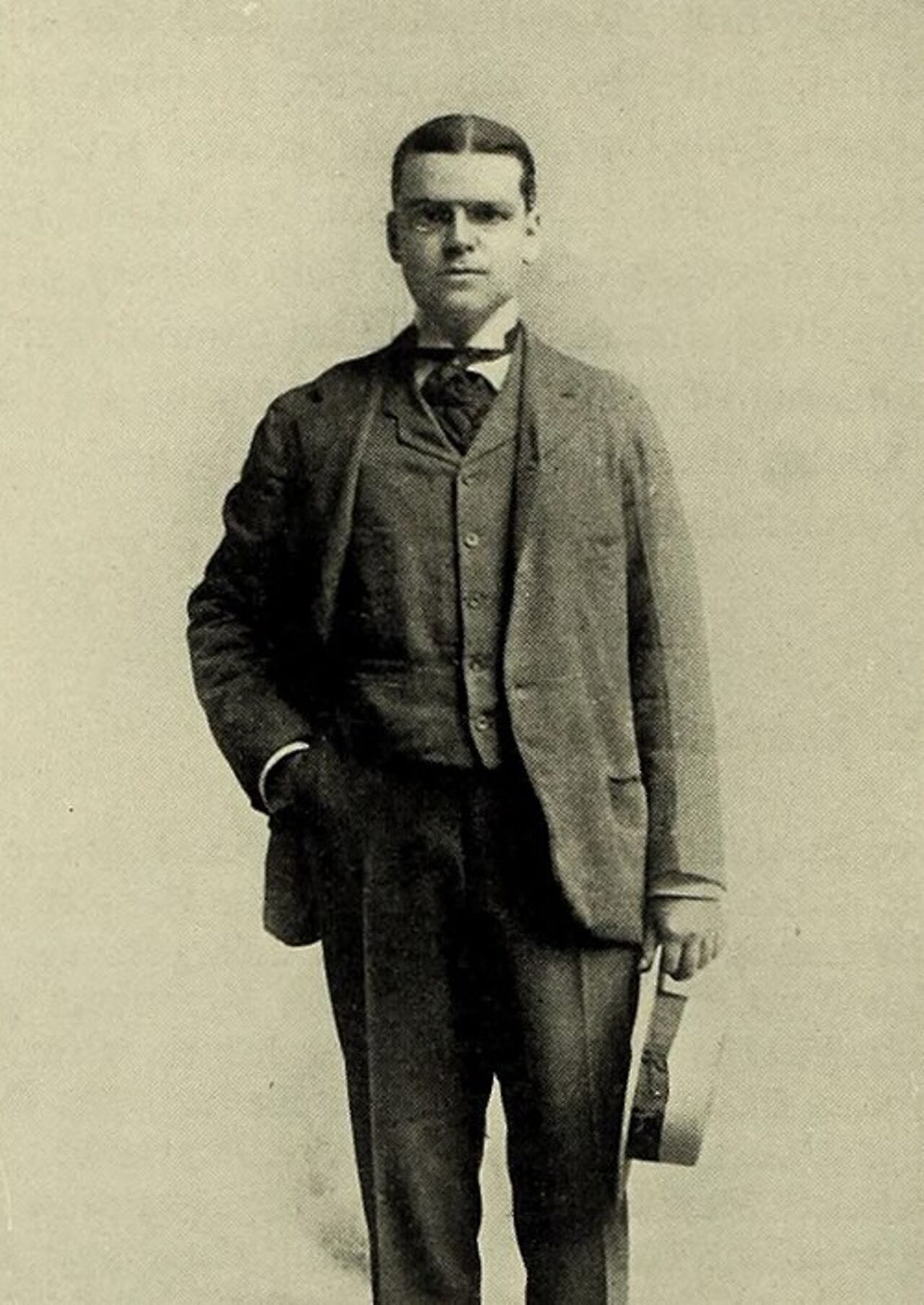
That was the backdrop when Jennings Stockton Cox Jr. was named general manager of the company in 1895. A few decades later, his granddaughter by marriage, Carmen Puig, recounted that Cox had created the recipe for the future Daiquiri in 1896. One day, when guests from the United States showed up unannounced, he found himself out of gin. He did, however, have rum, which his employers supplied every month. To soften its taste, he poured it into a pitcher filled with crushed ice, added sugar, squeezed a few limes from his garden, and stirred it all until the drink was ice cold.
The drink was a real hit with his visiting guests, and with the seven American mine superintendents who joined Jennings Stockton Cox Jr. in 1908. They proved to be good company when it came to hitting the two best bars in the nearby city of Santiago: the Hôtel Venus and the San Carlos Club. Cox introduced both spots to his blend of rum, lime and sugar, which he had never thought of giving a name.
From there, two versions of how the cocktail got its name diverge. The first comes from Basil Woon's book When It's Cocktail Time In Cuba (1928): one morning at the Hotel Venus, after everyone had downed "three or four" drinks, Cox and his American crew were stumped about what to call the drink, until a sudden flash of inspiration: let's call it a daiquiri! The author supposedly exclaimed. The second version comes from a chemist who worked for Cox, Josh Linthicum: one evening at the San Carlos Club, the bartender pressed Cox to name this now-popular but still nameless cocktail. With Cox short on ideas, the bartender himself dubbed it Ron a la Daiquiri. Worth noting: in both versions, it was the bartender who came up with the idea of making the cocktail in a shaker, then serving it in a champagne flute filled with crushed ice.
Sure, people in the Caribbean had been mixing these three ingredients for centuries, and Jennings Stockton Cox Jr. may well have been influenced by the Canchánchara (aguardiente, lime juice, molasses) that Cuban farmworkers carried to work in their flasks. Still, his real achievement was finding the perfect balance among the three ingredients.
How the cocktail evolved into its final form
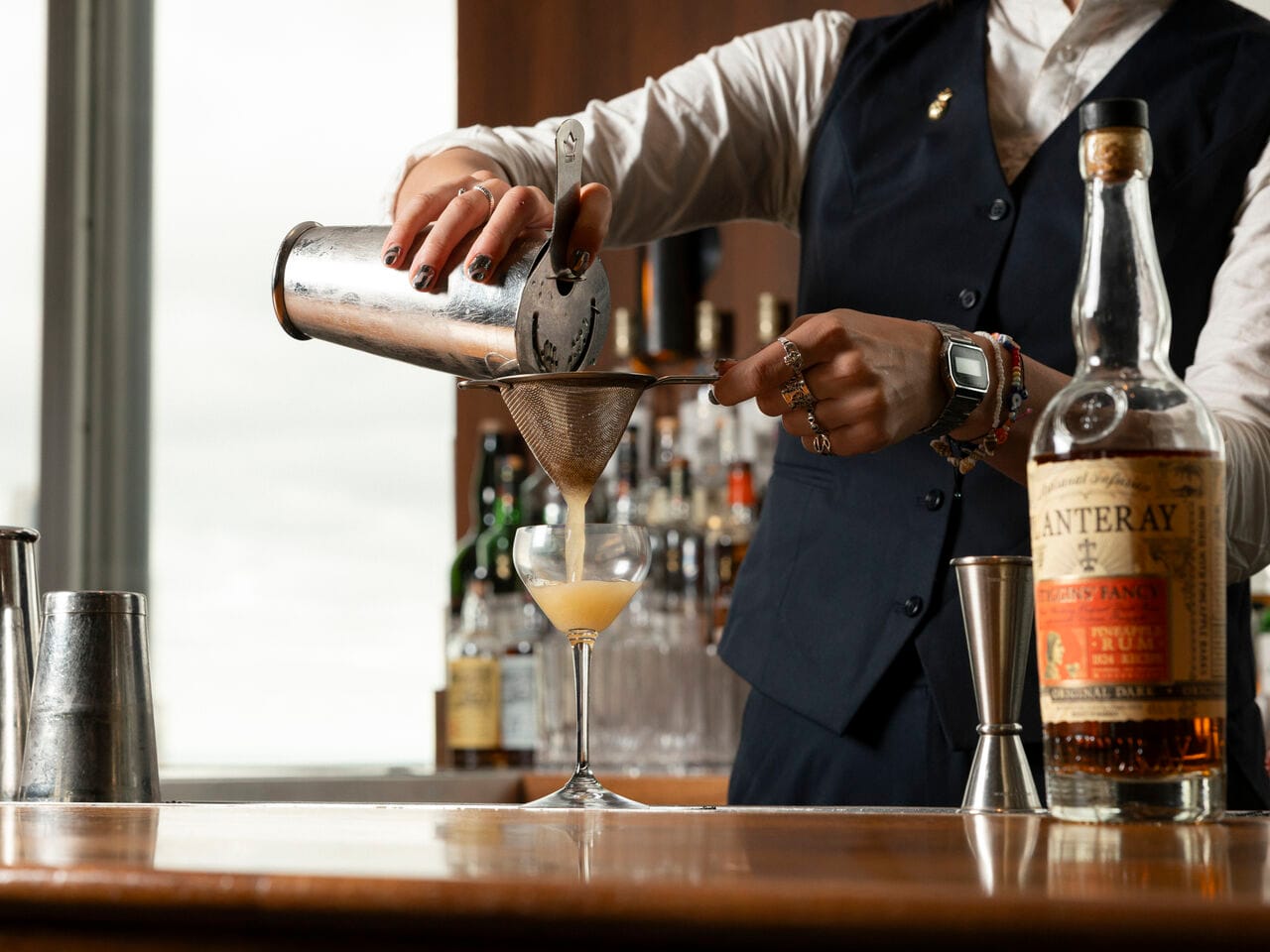
Cox's death in 1913 didn't stop his cocktail from evolving. Soon after, a Havana bartender reworked the already-improved Santiago version of the Daiquiri. Depending on whether you trust a Cuban or an American source, credit for the definitive recipe goes either to a cantinero at the Hôtel Plaza named Emilio "El Maragato" González, or to American expat Eddie Woelke of the Sevilla-Biltmore. One of them decided not to serve the cocktail in a flute packed with crushed ice, but to strain it into a small coupe instead.
Then a new player entered the scene: Constantino Ribalaigua Vert. He owned and ran the El Floridita bar in Havana. Known as the dean of Cuban bartenders, his favourite subject was the Daiquiri, for which he worked the ice in four distinct ways: "menudo" (cracked), "menudito" (crushed), "afeitado" (shaved), or "frappé" (snowy). By playing with these different densities, dilution rates, and the interplay between sweet and tart, Constantino Ribalaigua Vert gave each of his Daiquiri variations a subtle nuance, numbering them one through four. He wasn't shy about adding a few ingredients either, as in the Daiquiri No. 3 (grapefruit juice and maraschino). As for the Daiquiri No. 4, it differed in two ways: first, Constantino worked in a small teaspoon of maraschino. Second, he chilled his cocktail using the most cutting-edge technology of the day, the blender, which turned shaved ice into something close to a sorbet. The drink was served "frappé" in a cocktail glass. It was the perfect antidote to a sweltering Havana afternoon, quenching the thirst of countless Cubans and American tourists and doing a great deal to popularize the Daiquiri. The novelist Ernest Hemingway himself was said to drink seven to ten of them after wrapping up his writing for the day, which we definitely don't recommend!
Stiggins' Pineapple, the perfect partner for a Daiquiri
History has shown that the Daiquiri never stopped evolving, yet it never lost what makes it great: a clean balance of rum, lime and sugar. In a cocktail this simple on the surface, every ingredient counts, and the choice of rum can transform the whole experience.
This is exactly where Planteray Stiggins' Pineapple fits right in. Its profile, at once rich, fruity and refined, brings the Daiquiri a new aromatic depth: the brightness of the lime wakes up the pineapple, while the sugar carries its roundness. The result stays true to the spirit of the original cocktail, while giving it a sunnier, tropical, and irresistibly delicious dimension.
Its inspiration comes from an old pineapple rum recipe dating back to 1824. Later, under the guidance of Alexandre Gabriel and David Wondrich, 90 days of testing were carried out at the Château de Bonbonnet to determine the best pineapple variety for its recipe. Our teams settled on the Victoria pineapple for its softness, sweetness and rich aromas. You'll find those qualities in our Planteray Stiggins' Pineapple Rum thanks to a small-batch production method that hasn't changed since our very first batch.
The pineapple flesh is infused in our Planteray Original Dark for three months, while the fruit's rind is infused in our 3 Stars white rum and then distilled. Everything is blended together and placed in barrels for another three months.
That's also why Planteray Stiggins' Pineapple Rum has become a benchmark for so many bartenders around the world. Over the years, a real bond has formed with these bar professionals, who have made this pineapple rum on their own and brought it to life in their own creations.
Out of that connection came the Stiggins Ball: an annual gathering imagined as a moment to connect and share around bar culture, pineapple, and the craft that brings Planteray Stiggins' Pineapple to life. There, bartenders rediscover the craft spirit of the product through hands-on work, cutting pineapples, dreaming up their own batch, exploring the aromas, but also through games and challenges drawn from their world.
This gathering is also a chance to celebrate the Daiquiri, the signature cocktail where Stiggins' Pineapple fits so naturally. There's even a speed contest for making daiquiris. And if you'd like to practice at home, we're happy to share our recipe with you.
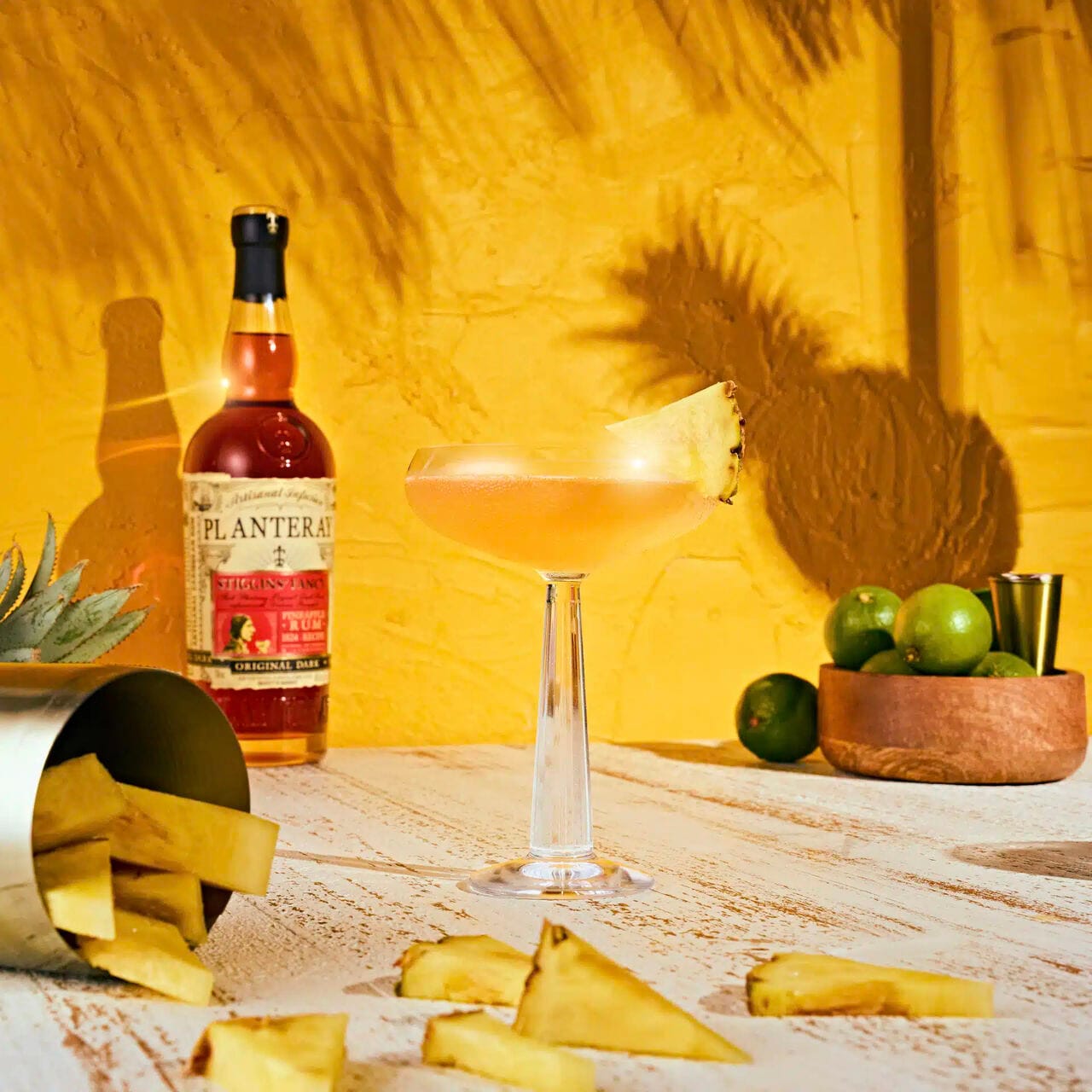
Stiggin's Fancy Pineapple Daiquiri
Ingredients
- Planteray Rum Stiggins' Pineapple: 2 oz
- Freshly squeezed lime juice: 1 oz
- Simple syrup: 3/4 oz
Method
- Pour all the ingredients into a shaker
- Fill it with ice
- Shake hard
- Strain and pour into a chilled coupe-style glass
- Garnish with a lime zest and a piece of pineapple
Your cocktail is ready. Cheers!


Member discussion