


At the Stade's West Indies Rum Distillery, Dario is not simply the head of fermentation: he is "Papa Yeast," guardian of a living treasure that few distilleries in the world can claim. And that treasure is our Yeast Nursery, a living encyclopedia where each yeast strain writes a new chapter in our story.
Located just metres from the fermentation area, at the heart of the site, by the beach, this yeast nursery is much more than a laboratory: it's a flavor factory, a playground for experimentation, and a celebration of wild fermentation.
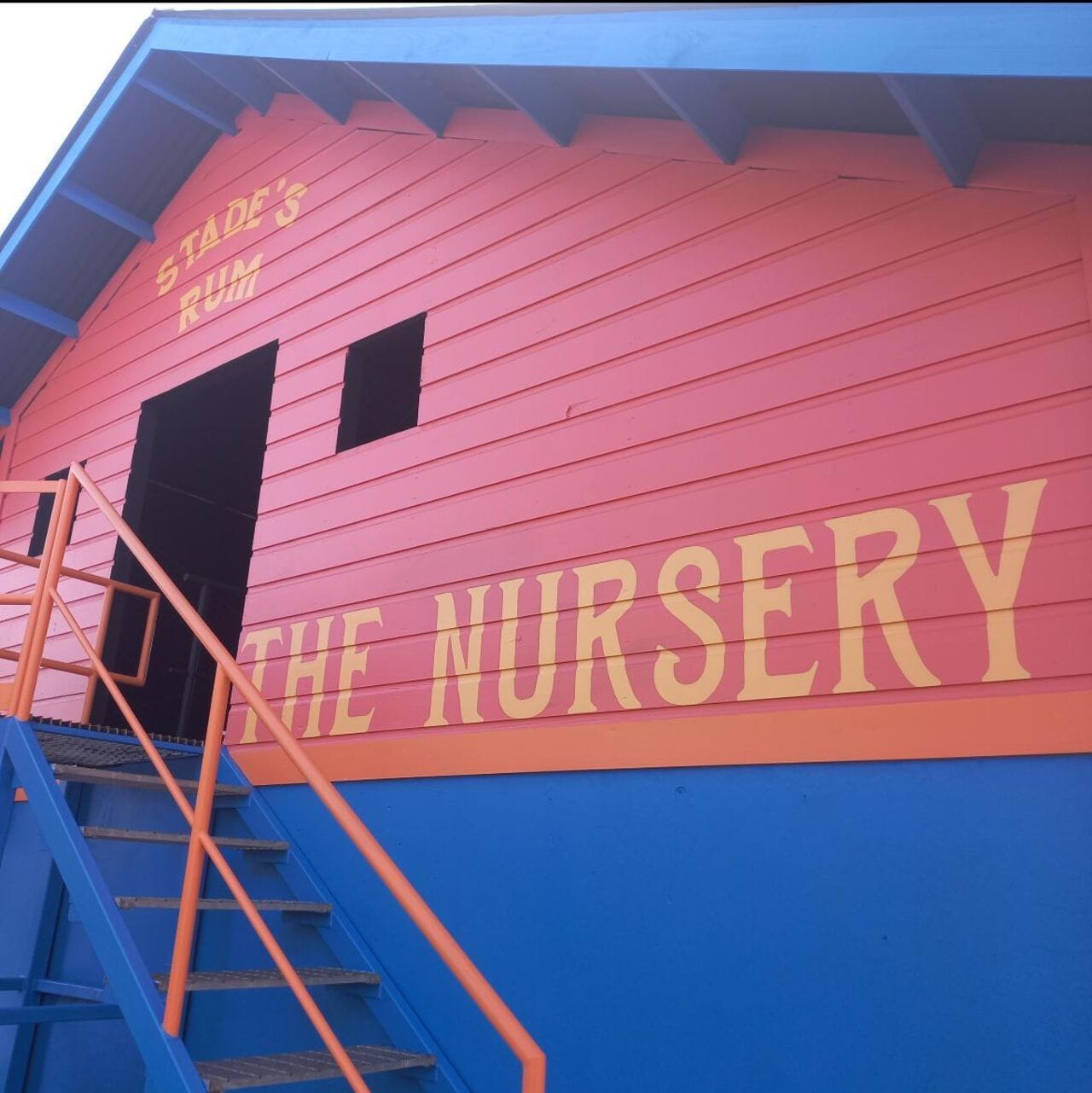
Why create our own yeasts?
It all starts with a simple truth: yeast is the driving force behind flavor.
"The yeasts used during rum fermentation are responsible for so much of what makes rum taste the way it does," explains Alexandre Gabriel.
The distillery is one of the very few in the world to have, for decades, its own nursery where unique yeasts and bacteria are cultivated. This rare feature gives Stade’s rums their unmistakable aromatic signature.
But the pursuit of character doesn't stop there. The nursery also allows us to propagate and evolve indigenous yeasts, native to this unique climate. This blend of wild nature and careful craftsmanship opens up endless flavour possibilities.
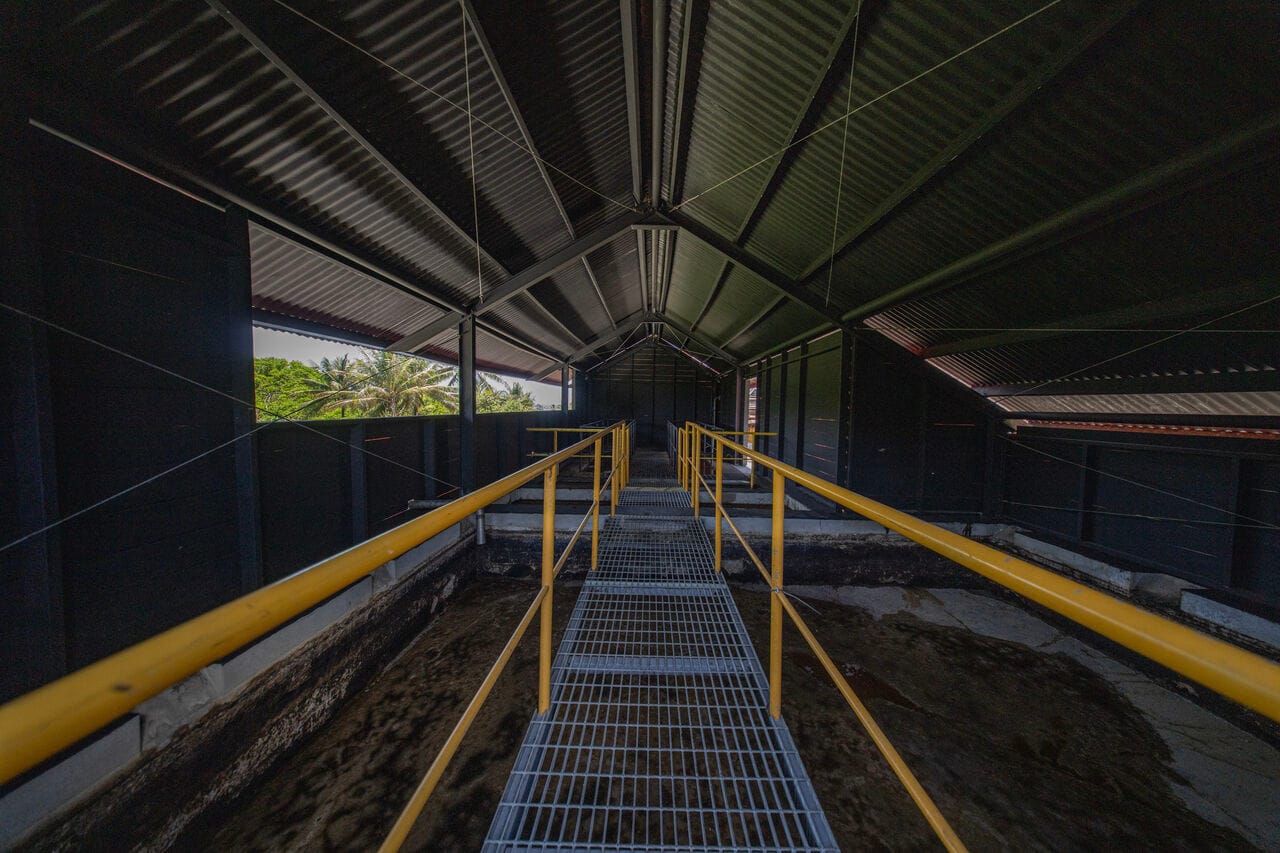
The nursery's location is no accident. It sits in an open area, by the sea, where the breeze carries yeasts and bacteria across it. Nature itself becomes part of the process.
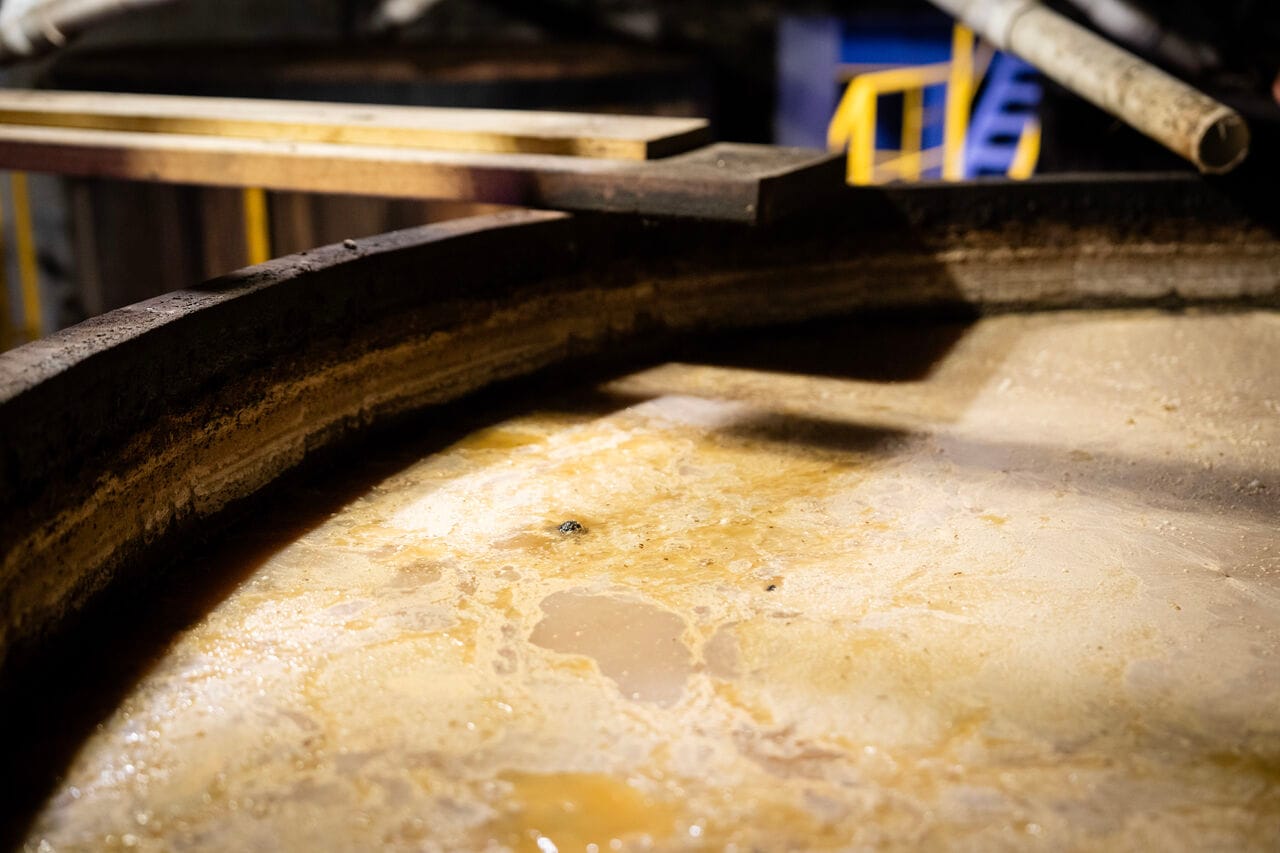
Some of these yeasts are used in "open" fermentations, where the tops of the wooden vats are intentionally left uncovered to welcome these indigenous yeasts. Unlike "closed" fermentations, where only inoculated yeasts are at work, these open fermentations generate a much broader aromatic palette, though also more unpredictable.
These traditional vats are made of oak and tropical cedar. This tropical wood, used for 130 years, encourages a more dynamic exchange between yeasts and barrel.
A playground for experiments
The nursery is also a laboratory for exploration. Currently, Dario is working on fermentations using fresh cane juice and on profiles specifically developed for pot still distillation. One secret behind this microbial diversity comes from using natural raw materials, notably banana peels and cane stalks, which harbor indigenous yeasts and encourage the creation of new strains of yeasts and bacteria.
"I prefer the nursery yeast because it produces both light and heavy esters, fruity notes, floral notes…," he explains.
Continuous propagation of wild yeasts is what keeps them alive. This eliminates the need for other storage methods like freeze-drying, the standard industrial approach.
Bacteria are also cultivated in-house, contributing to the production of bold, intensely flavorful rums.
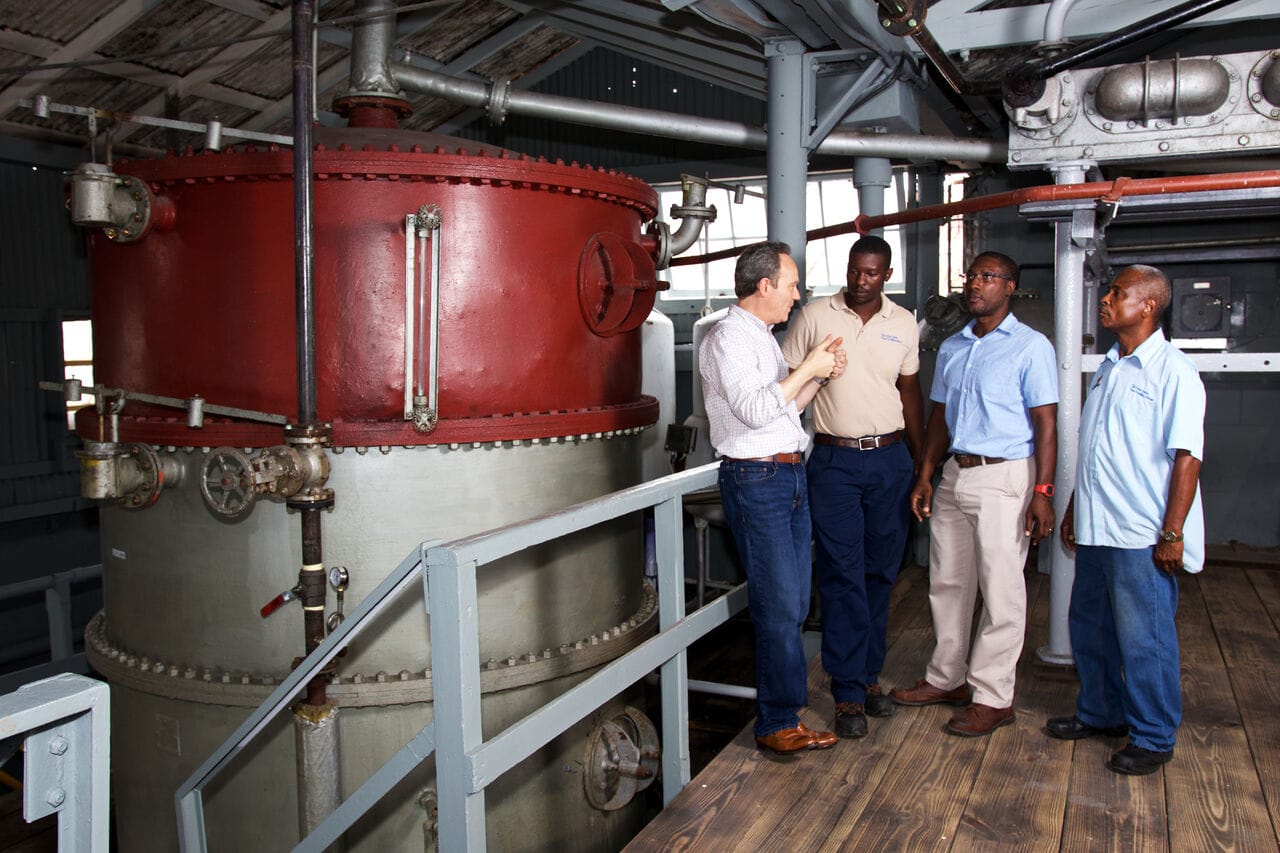
What makes this nursery so valuable is the freedom it offers: freedom to innovate, to experiment, to create rums with unmistakable character. Few distilleries in the world cultivate their own yeasts, and even fewer in an environment as distinctive as Barbados. It allows us to cultivate yeasts capable of producing exceptionally powerful washes (fermented liquid) ready for distillation.
This one-of-a-kind project embodies the Maison Ferrand philosophy: blending tradition with experimentation, nature with expertise.
The taste of rum begins right here, in the sea spray and the skilled hands of "Papa Yeast".
One visit is all it takes to see for yourself, or just take one sip of our delectable rums.


Member discussion