


Diversity and freshness of ingredients
At the Ferrand laboratory, we carry out numerous trials using fruits and aromatic plants, sparked by an idea, a hunch, or the urge to explore new flavor frontiers. This research drives our spirit of innovation, like a painter building a palette as inspiration strikes.
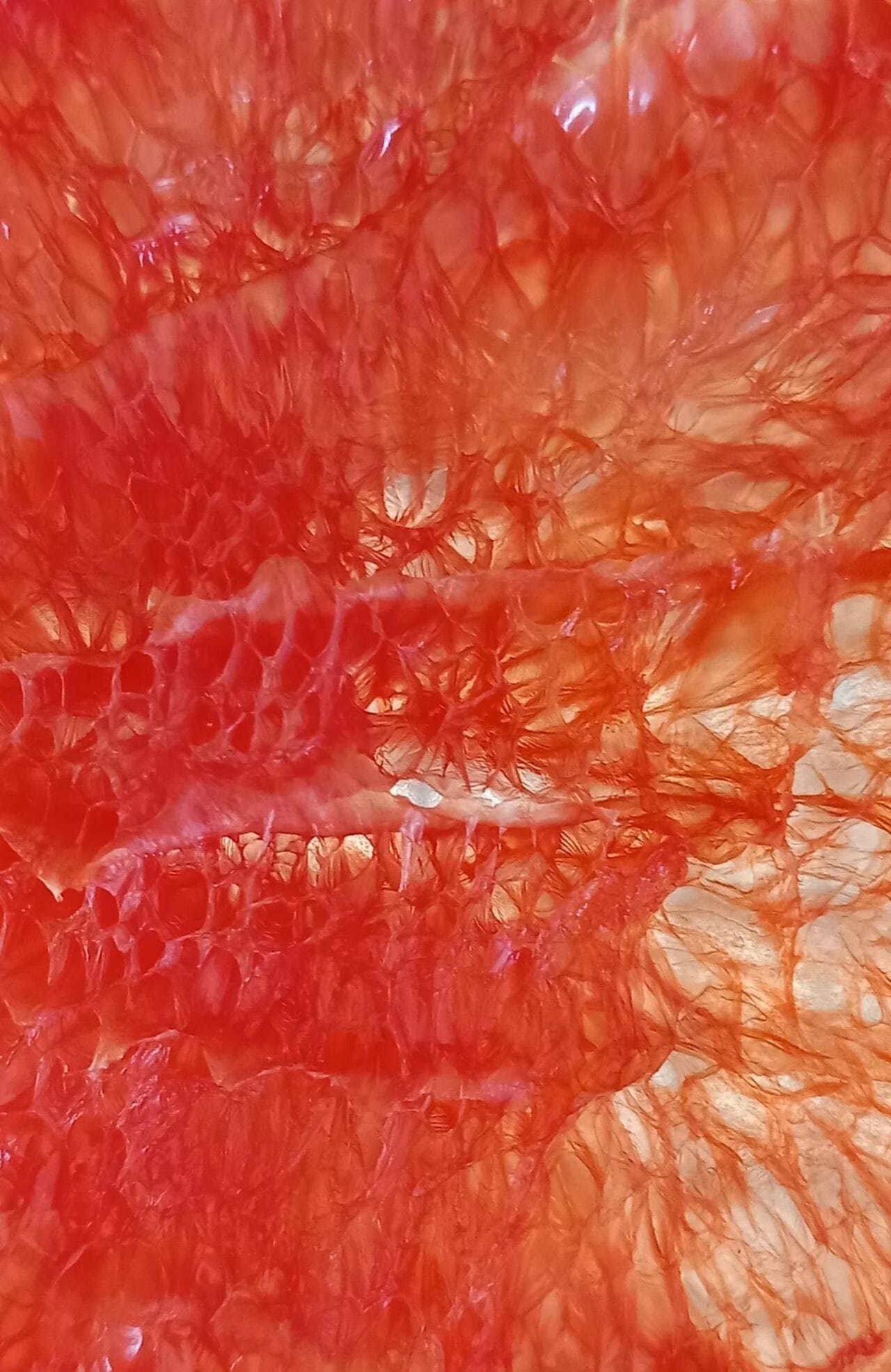
"Each selected ingredient is tested by our team in different ways: whole, dried, cut, keeping only the peel, or conversely, the flesh. Aromatic molecules are not distributed uniformly in a fruit or plant. Moreover, these molecules are not all extracted the same way depending on the methods used. That's why we run countless trials with different parameters to find the ideal method for each raw material." - Alix, Research & Creation Project Manager
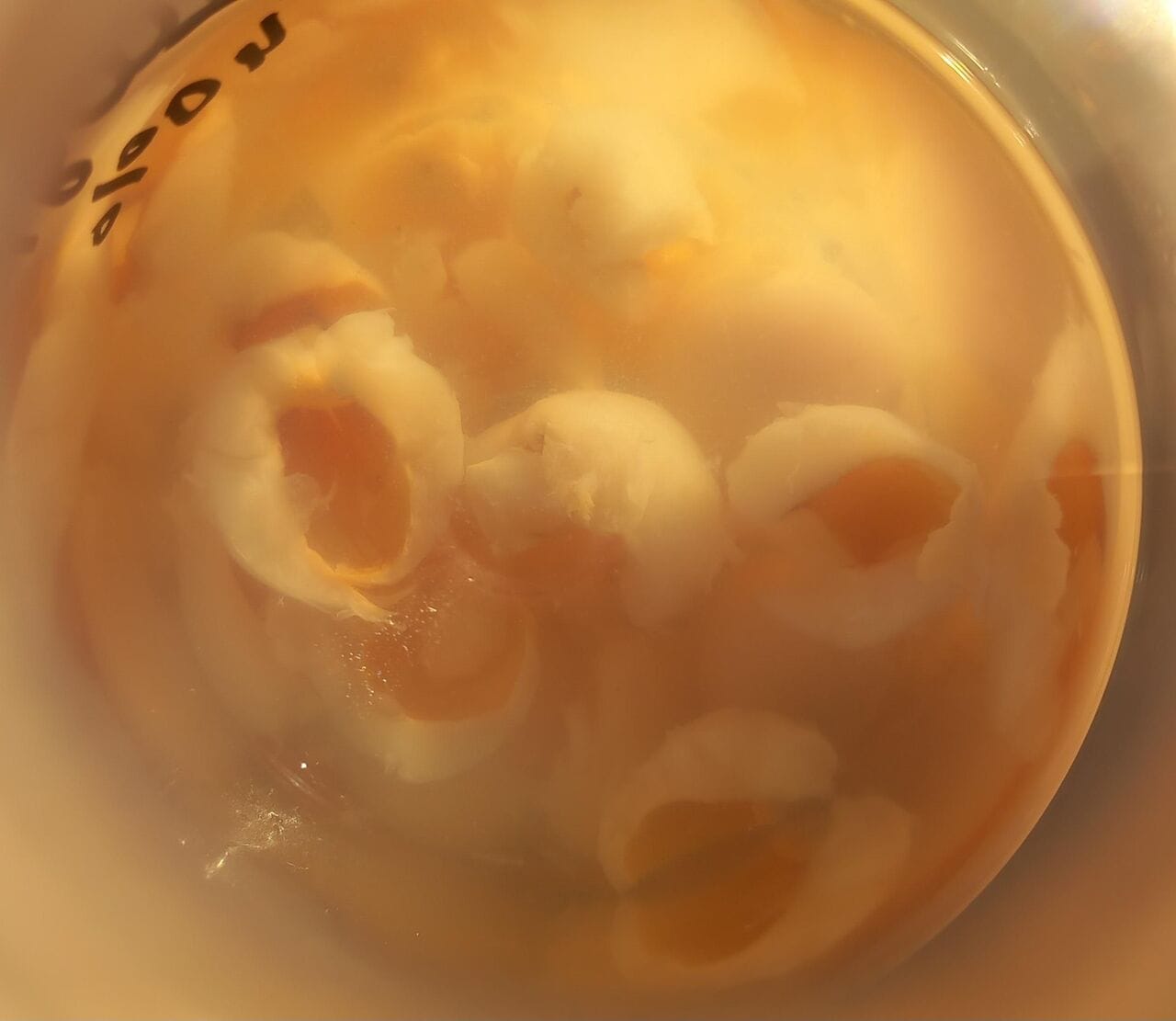
We work with fresh products, stored for as little time as possible to avoid potential aroma loss or oxidation. Macerations in alcohol always begin as soon as ingredients arrive, with varying degrees, concentrations, and durations. For example, while the yuzus in our Citadelle Jardin d'été are steeped in alcohol for several weeks, the pickles in Citadelle Vive le cornichon! macerate for six days in a water and alcohol blend.
Distillation, a step full of surprises
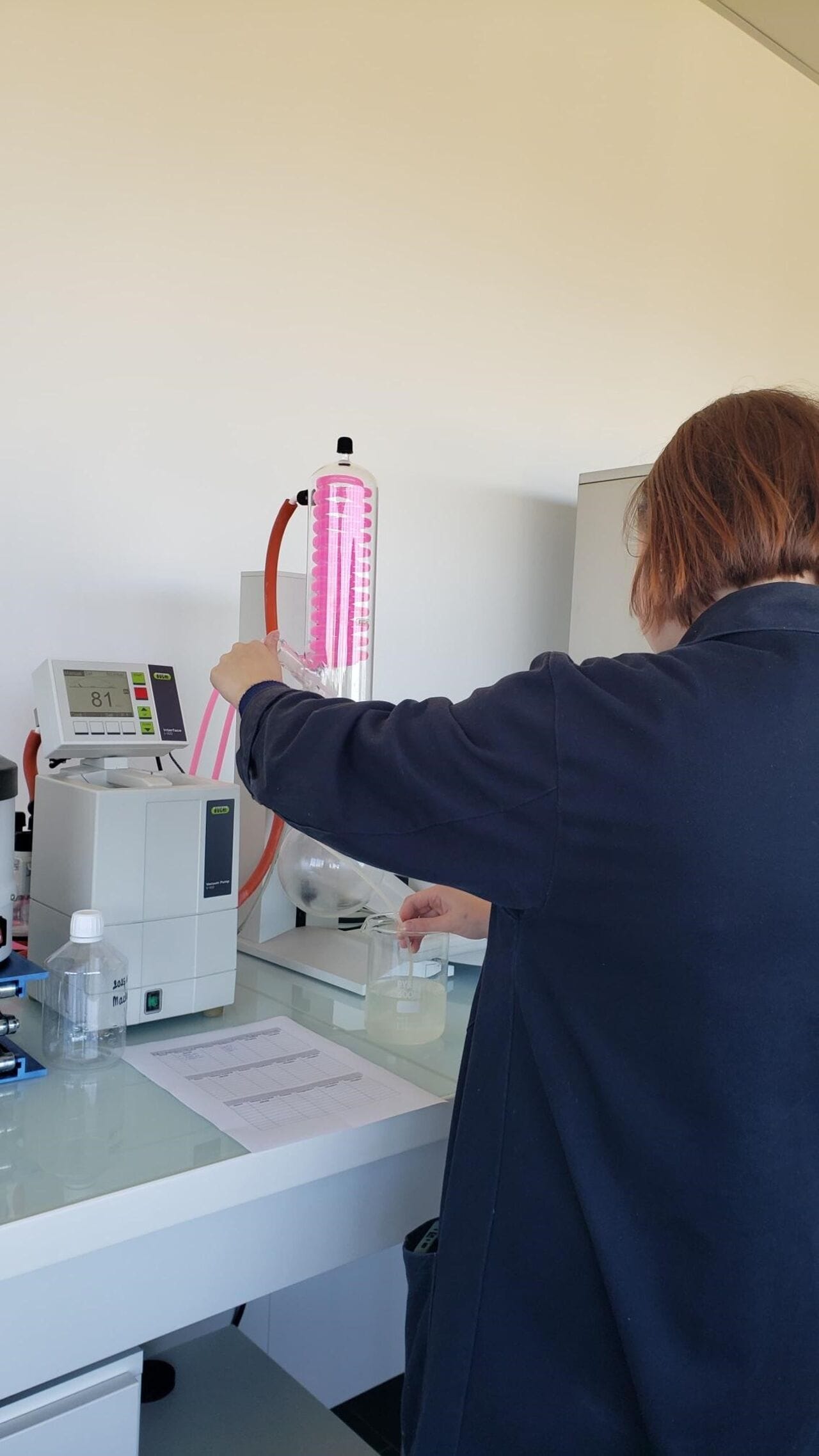
Once macerations are complete, we distill in small volumes using a rotary evaporator to obtain trial distillates.
Today, the Maison Ferrand laboratory holds a stock of over 200 distillates. Imagine all these bottles containing the most varied, even eccentric, ingredients, giving our lab that fascinating, almost mysterious atmosphere!
The team's work continues throughout the year to honor the seasonality of our ingredients. This year-round research means waiting for the precise moment when a plant is in bloom, or when fruit reaches optimal ripeness, like the yuzus in Ferrand Dry Curaçao Yuzu Late Harvest picked after their usual harvest date.
"Distillation can yield surprises, particularly when the distillate smells nothing like the original ingredient. For instance, a plant macerate might yield a distillate with banana notes, or a fruit might develop aromas reminiscent of chorizo or cola. We notably observed this during our trials with certain olive or mangosteen varieties." - Alix, Research & Creation Project Manager
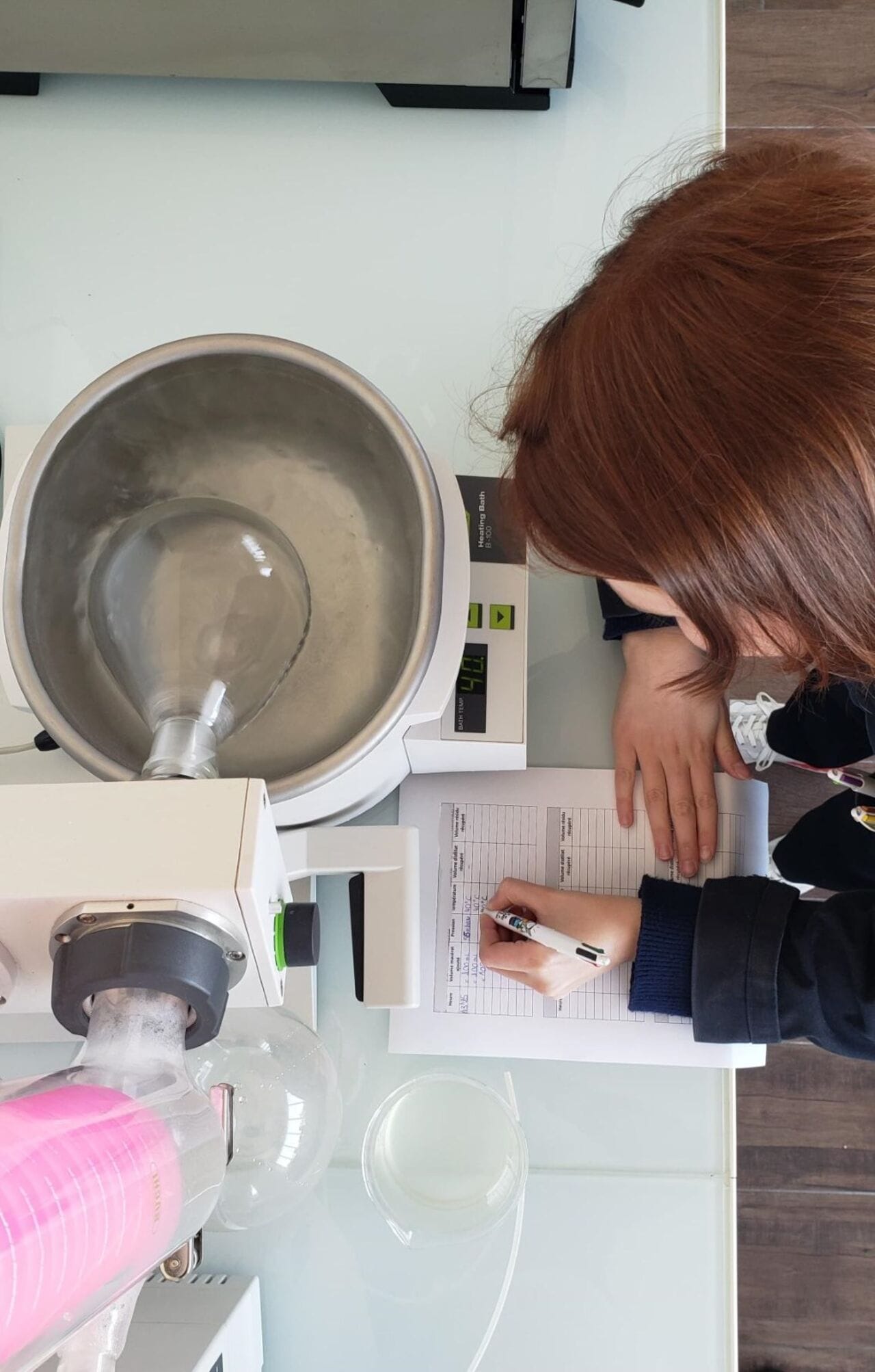
Sometimes, the team even performs water extractions, since some ingredients are too delicate for alcohol, like jasmine, featured in our Distillery Exclusive editions number 1 (Citadelle Thé French) and 2 (Citadelle Maisonnette). In these cases, the best approach is to use a vacuum rotary evaporator, or rotavap. The ingredient is immersed in water inside the apparatus flask, where the liquid is gently heated via a water bath at 40°C. This preserves all its organoleptic qualities.
Ultimately, a distillate only moves to full-scale production when it earns a place in a recipe. This love of discovery is what keeps us innovative, bringing you new editions that will shine in your glass.


Member discussion