


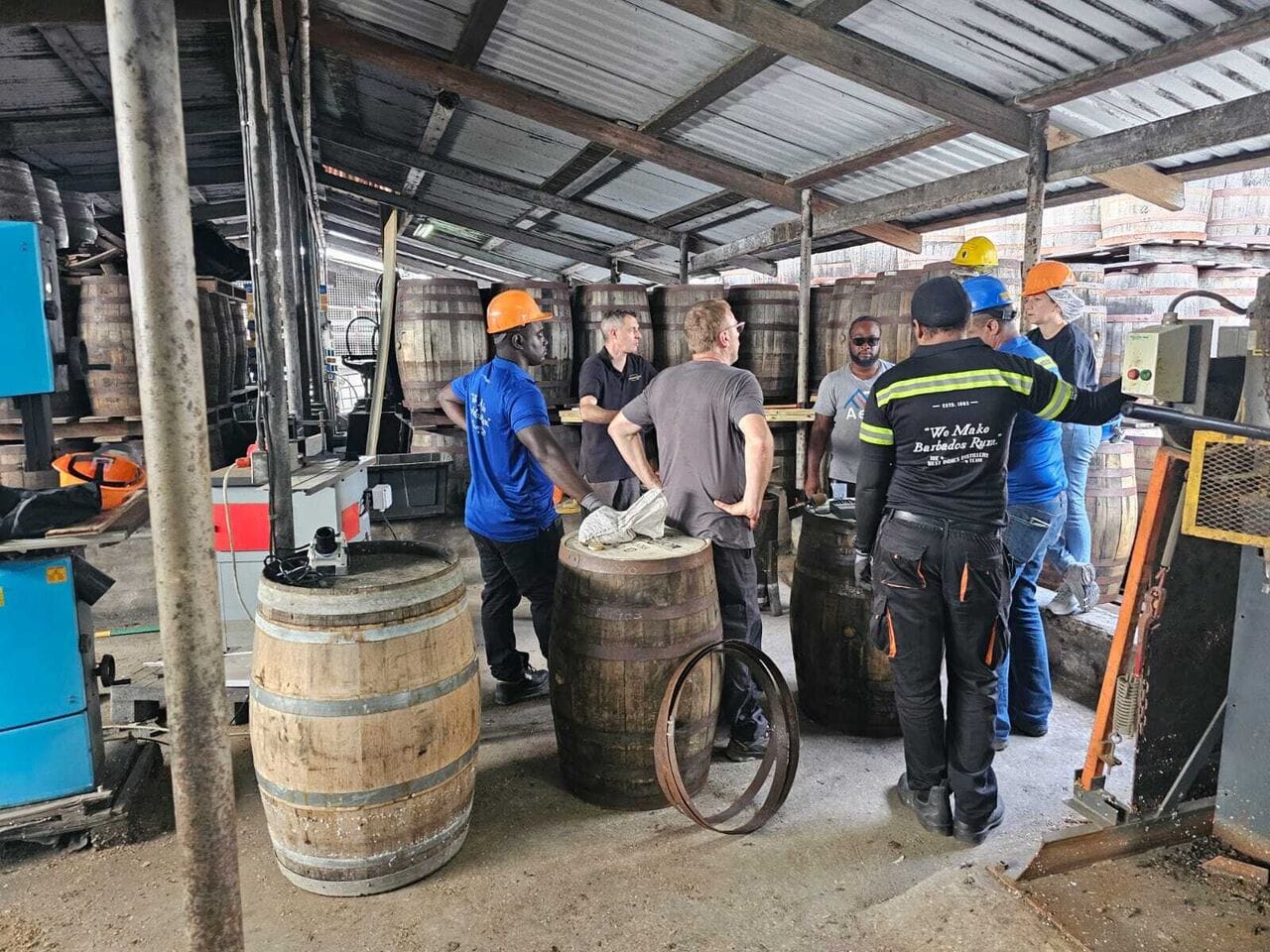
It is the return of a once-familiar scene: in the heart of a warehouse lined with barrels and warmed by the tropical heat, the meticulous craft of cooperage comes back to life. A tradition that once thrived on the island, then slowly faded, is now being revived thanks to a cooperage from Cognac, who came to train the Maison Ferrand teams in both Cognac and Barbados, working side by side, sharing skills, and rebuilding a living craft. This moment matters. It reflects a house committed to passing down knowledge across generations and across oceans.
A Cooperage through shared gestures.
Where did this mission begin?
With a very practical goal: to bring hundreds of barrels stored on the island back to life. Nearly 500 have already been identified—ready to return to service as soon as the skills to restore them are in place.
But there was also a deeper desire: the chance to revive cooperage skills once mastered locally, building on them with expertise developed in Cognac.
For one week, six team members—including Maison Ferrand’s Head of Infrastructure and Security, Manuel Dias Oliveira—took part in an intensive cooperage training that combined classroom learning with hands-on practice. Guided by the expertise of Tonnellerie Baron, based near Saintes, teams from Charente and Barbados discovered (or rediscovered) the fundamentals of this time-honored craft: inspecting staves, tightening hoops, fitting wooden shims, ensuring watertightness, and even replacing an entire barrel head.
This sensory, practical approach—far removed from technical manuals—deeply resonated with the local teams, who threw themselves into the work, eager to reclaim these essential skills.
Facing the elements
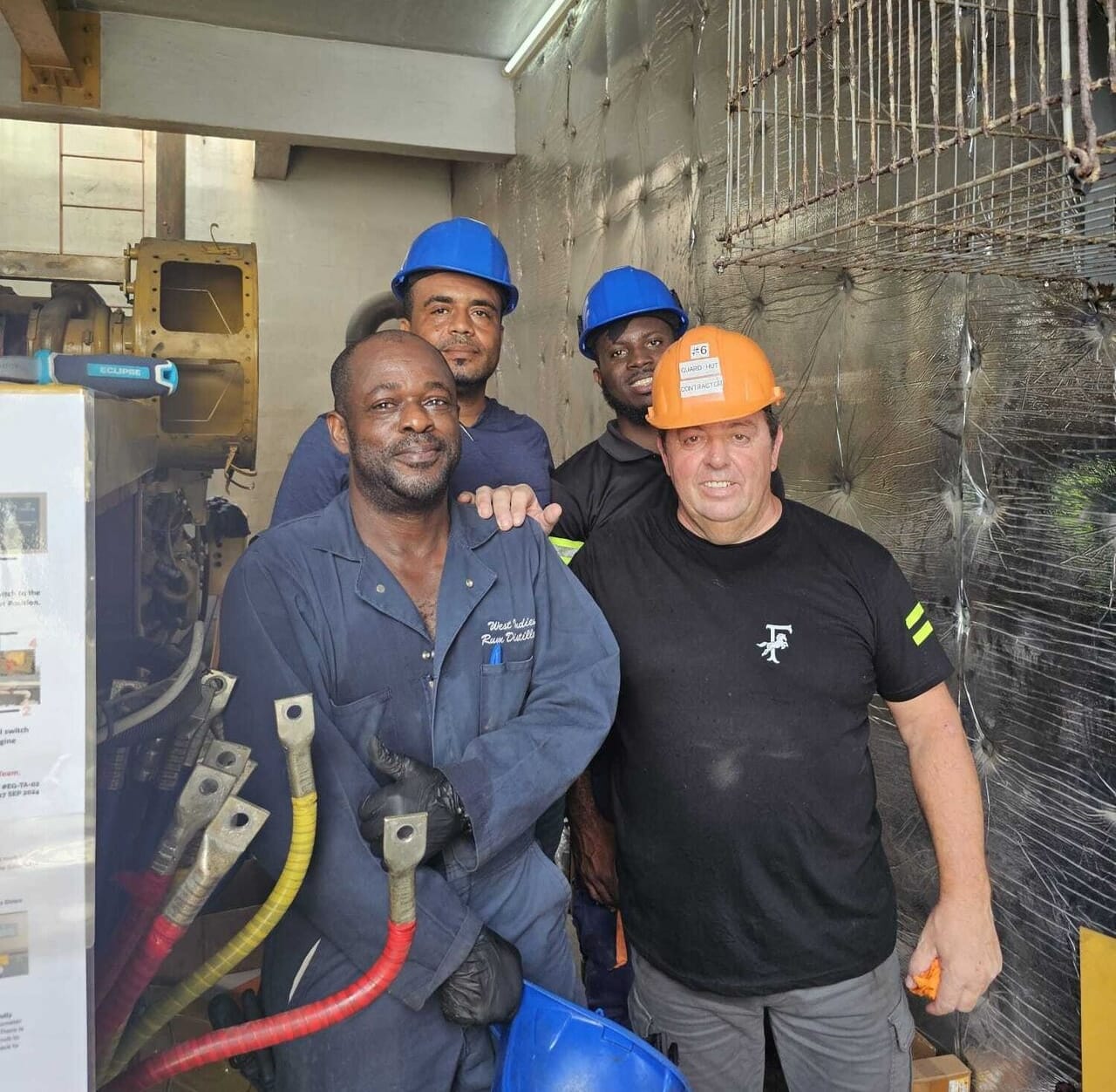
But cooperage was only part of the mission. The second week focused on a critical project for the distillery’s future: replacing the main generator.
In a region where power outages are frequent, especially during extreme weather, uninterrupted distillation is essential. The old generator has now been replaced with a more powerful 1,000 kVA model, capable of running the entire site under any conditions.
It was a technical project, but also a strategic one—reflecting Maison Ferrand’s approach: anticipating challenges and adapting, so production can continue even when nature has other plans.
A two-way exchange
The work didn’t end when the team returned home. Manuel—known as Manu—plans to organize internal training to pass on what he learned. Teams in both Cognac and Barbados will now be able to diagnose a barrel, identify what can be repaired, and ensure it is properly sealed.
That is what makes this approach work: a shared culture built around hands-on expertise, clear technical language, and mutual understanding of each site’s realities—developed through collaboration rather than top-down instruction.
Cultivating connections, right into the yam fields
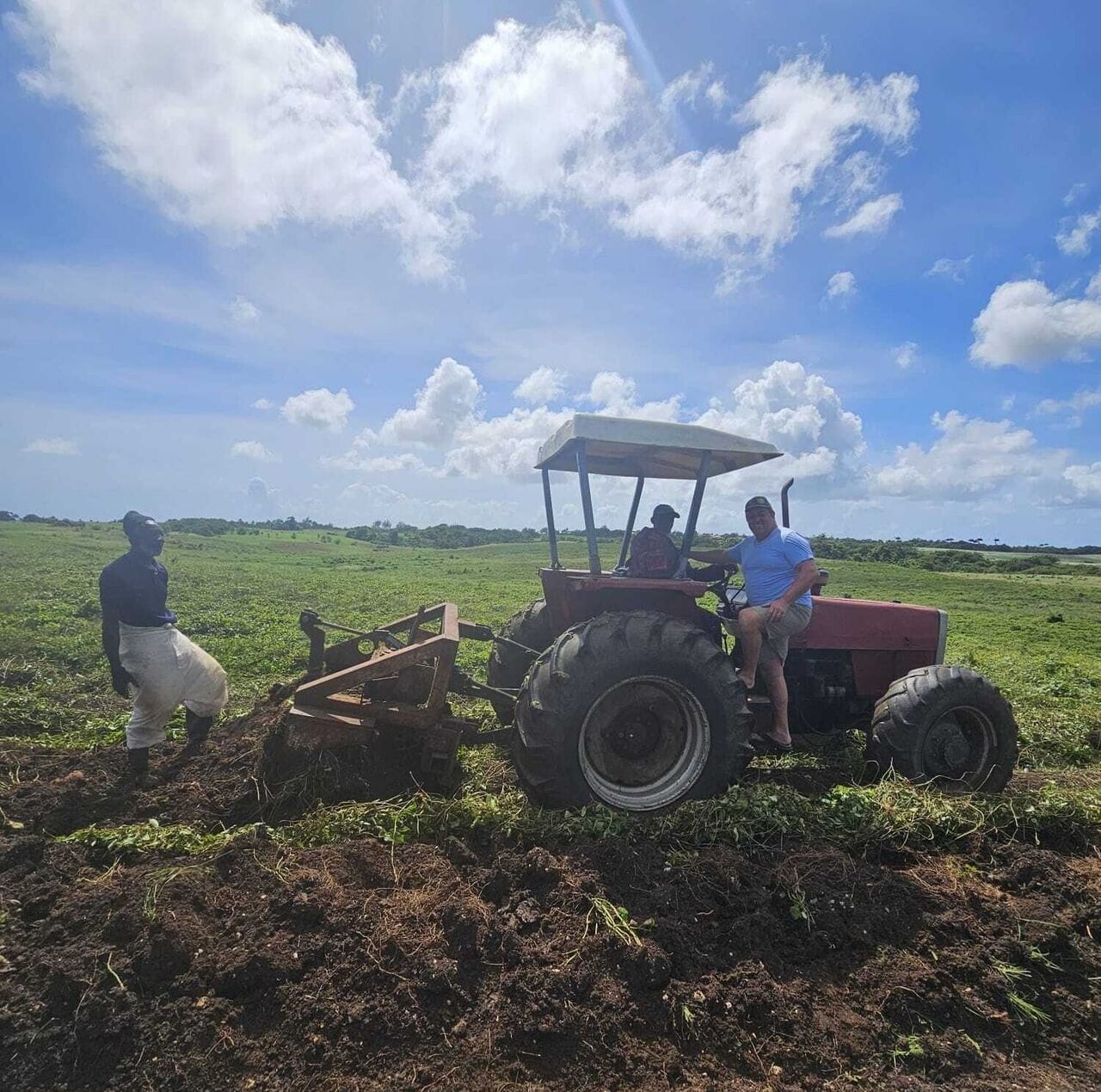
The mission was also a chance to connect with local culture. Manu joined the teams at Kendal, on our own land, to take part in the yam harvest—a staple of Caribbean cooking. It was a simple, genuine moment, echoing other chapters of the company’s story, from sugar cane to rum, and reminding us that behind every spirit lie the land, farming know-how, and the people who bring it all together.
Behind the repaired barrels and the new generator is a deeper philosophy at Maison Ferrand: knowledge is meant to be shared, traditions can be brought back to life, and every skilled hand carries a human story.


Member discussion